50/30/20 Budget Rule: Your Simple Guide to Financial Management
Throughout your life‚ you will have a lot of responsibilities․ You need to pay your bills every month‚ visit your friends and family‚ and save for tomorrow․ If you want an easy‚ effective way to budget your money without a lot of tracking and detail‚ the 50/30/20 budget rule might be the answer you're looking for․
Here's a complete breakdown of the 50 30 20 rule‚ why it's highly effective, and how to implement it in your life starting today․
What is the 50/30/20 Budget Rule?
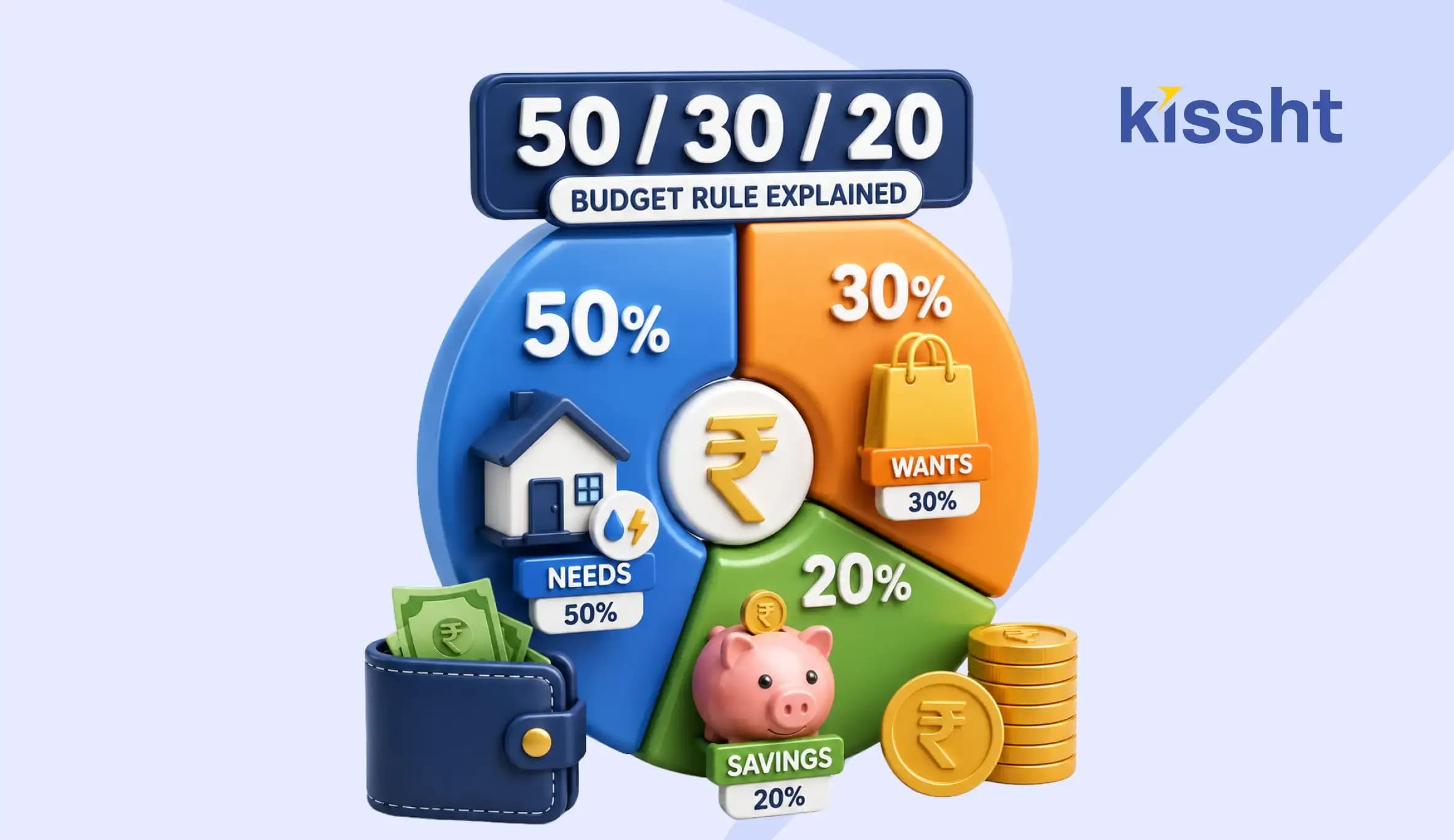
The 50 30 20 budget is a proportional budgeting method that divides your after-tax income (your take-home pay) into three different spending categories: needs‚ wants, and savings․ By slicing your income into these three buckets‚ you create a financial ecosystem that allows you to cover your current responsibilities while still enjoying life and building a safety net․
And that's the beauty of the 50 30 20 rule: rather than tracking dozens of smaller budget categories (groceries‚ clothing‚ entertainment‚ utilities‚ and so on)‚ you only need to focus on three large categories․
| 50% Needs | 30% Wants | 20% Savings |
|---|---|---|
| Essential expenses | Lifestyle expenses | Savings & Investments |
Slicing the Pie: The Three Categories
To make the best use of the 50/30/20 budget rule‚ you'll want to understand what goes into each of the 50/30/20 buckets․
1․ 50% of Your Income: Needs
Needs are things you have to buy to keep a roof over your head‚ food in your belly‚ and your health and job‚ or otherwise keep you alive․ Needs should cost you about half of what you take home in a month․
- Essential needs include:
- Rent or mortgage payments
- Electricity‚ water‚ and gas bills
- Basic groceries (not fine dining)
- Health insurance and necessary medications
- Minimum loan or credit card payments
- Car loan payments or transit passes
In such situations‚ where over half of your income is going to your needs‚ it may be a good idea to cut down on your fixed expenses‚ such as getting a less expensive apartment or utility provider․
2․ 30% of Your Income: Wants
This is how you make budgeting sustainable․ Rather than going on a diet that prohibits any and all treats‚ the 50 30 20 budget rule allows for nearly a third of your income for discretionary spending in fun and lifestyle categories․ Wants are things that would make your life better‚ but aren't absolutely necessary․
Examples of wants include:
- Eating out or ordering takeout
- Streaming subscriptions (Netflix‚ Spotify‚ etc․)
- Hobbies‚ gym memberships‚ and concerts
- Travel and vacations
- Shopping for clothing or technology is not essential
Budgeting apps or fintech companies can help you keep this spending category in check‚ and not overspend․ For example‚ smart credit lines and financial technology (fintech) companies such as Kissht help users manage their discretionary spending easily․ The online loan app or a digital wallet enables you to monitor your lifestyle expenses and ensure that "wants" do not compromise your core savings goals․
3․ Save and pay down debt: 20% of income․
Pay yourself first․ As soon as you're paid‚ take one-fifth (20%) of it and set it aside for your future self․ This is the first step to building future wealth․
General financial goals include:
- Emergency fund: Saving 3 to 6 months' worth of living expenses in cash for emergencies․
- Retirement: Provident funds‚ mutual funds‚ and equity portfolios for your investments․
- Aggressive Debt Paydown: Paying off high-interest debt‚ such as on credit cards and loans‚ above the minimum required payment․
Life is unpredictable‚ and there is a possibility that an emergency will arise when you do not have enough cash saved up․ In these situations‚ having a trusted instant loan app to lean on will help you get things done without having to sacrifice your monthly budget flow․
A Step-by-Step Guide to Implementing the Rule
There are just a few steps to get your money into this system:
- Calculate Your After-Tax Income: Your pay stub is a straightforward reflection of available monthly income; subtract expenses and taxes from this figure to determine your after-tax income if you're self-employed․
- Investigate Your Current Spending: Categorise your last month's expenses into needs‚ wants and savings․
- Adjust the Proportions: So if you're spending 45% on wants and 5% on savings‚ gradually work your way closer to your ideal spending ratio over time․
If you're shopping around for financial products to consolidate your debts‚ the best loan provider will offer you the fairest rates‚ while giving you the lowest possible costs within your 20% debt-clearing budget․
Conclusion:
Final Thoughts: Progress Over Perfection
The 50/30/20 budget rule is an estimate‚ not a rule set in stone․ If your local cost of living is high‚ you might need to adjust by splitting 60% of your after-tax income on needs and 20% each on wants and savings․ The 50 30 20 budget plan has one main goal: to help you understand your spending habits․ Following the 50 30 20 rule means you are taking money matters into your own hands‚ relieving your stress‚ and building toward financial freedom․
FAQs
1. What is the 50/30/20 budget rule?
The 50/30/20 budget rule is a simple budgeting method that divides your after-tax income into three categories: 50% for needs, 30% for wants, and 20% for savings and debt repayment.
2. What if my essential expenses exceed 50% of my income?
If your needs take up more than 50% of your income, consider reducing discretionary spending, reviewing fixed expenses, or finding ways to increase your income until you can achieve a healthier balance.
3. Is the 50/30/20 budget rule suitable for beginners?
Absolutely. It is one of the easiest budgeting methods for beginners because it requires minimal tracking while promoting healthy financial habits.
4. Is the 50/30/20 budget rule suitable for people with debt?
Yes. The 20% allocation can be used for accelerated debt repayment while still allowing you to cover essential expenses and maintain a balanced lifestyle.




Instant Loans at Your Fingertips


Personal Loan
Fast, hassle-free loan for your personal needs.

Business Loan
Fuel your business growth with quick approvals.

Loan Against Property
Unlock your property’s value with ease.

Credit Pulse
Boost your credit score with smart insights.

Track your credit score
Simply enter your mobile number to get a quick overview of your credit score.
Check Now
Related articles

Sept 23, 2026
What are the Common UPI Terms and Their Meanings?
Sept 15, 2026
UPI MDR Explained: What Changes From October 2026?

Aug 28, 2026
Mutual Funds vs․ Stocks: What's the Difference?

Aug 28, 2026
Best Investment Options for Beginners
Aug 23, 2026
SIP Investment Guide for Beginners: Steps, Benefits and Risks
Aug 11, 2026
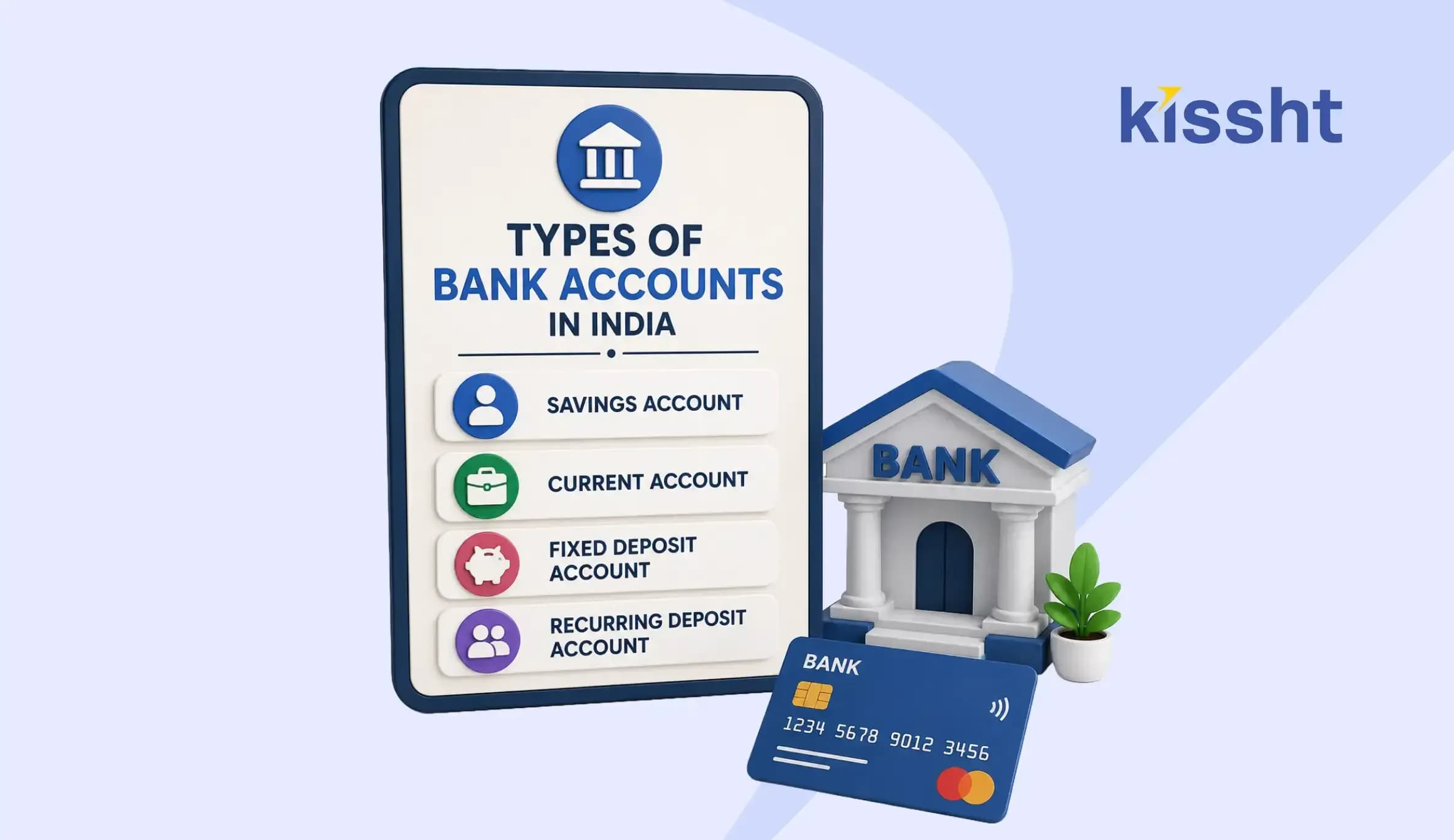
Different Types of Bank Accounts in India: Which One Should You Choose?
Aug 25, 2026
Form 26AS: Meaning, Details, Login & How to Download
Jul 28, 2026
8 Best Walking Pads for Home in India (2026): Top Foldable Picks for Everyday Fitness
Jul 27, 2026
How to Download Form 15G Online: Form 121 PDF, Eligibility and Submission Guide - 2026

31st Jul 2026
How to File a Cyber Crime Complaint in India - Step-by-Step Process

Jun 18, 2026

