Best Money Saving Tips for Beginners in India

Wealth building and financial security have nothing to do with lifestyle changes‚ but rather learning good spending habits and asset allocation‚ and following actionable savings tips to achieve your financial goals․ Household budgeting also requires day-to-day management and a buffer for emergencies that may arise on top of regular expenses․ Financial technology of the kind powering Kissht has changed the game for most modern households․ Thus‚ it is possible for them to meet their day-to-day goals while accessing financial products․ Over time‚ you can build an emergency fund by sticking to smart habits․ Life is still enjoyable.
Your best wins at saving money are usually behavioral changes․ Tracking your monthly spending can help identify things like a forgotten digital subscription you don't make use of‚ or that you eat out too often and the expense is bleeding your disposable income․ On the other hand‚ structured budgeting techniques‚ like a fixed percentage of spending for necessaries and savings‚ create a healthy boundary․ Consumer journeys are rarely linear‚ however․ Life brings along unexpected medical bills and urgent home repairs while you are trying to build your savings pool․ Learning how to secure an Instant Loan online can help prevent high-interest debt and enable you to maintain your savings during emergencies․
Strategic financial planning is about balancing the need to cut back costs today with protecting your available cash․ A trusted instant loan provider is like your financial safety net‚ always there if you need them to help you with short-term issues․ To help you navigate this journey toward fiscal fitness‚ we have compiled a definitive list of practical habits that you can start today․
Top 10 Ways to Save Money and Build Wealth Fast
1․ Automate Your Savings Contributions
The single easiest way to build wealth is to eliminate human error and temptation․ Set up a salary-day automatic deduction of a percentage of your gross income to deposit directly into a separate investment account․ If you never allow yourself to see the money in your primary account‚ you will not spend it․
2․ Audit and consolidate digital subscriptions․
Subscription fatigue is one of the most common causes of budget leaks․ Search through your bank and credit card statements from the last three months to find them․ Cancel any streaming media services‚ gym memberships‚ and software applications that you have not used․
3․ Implement the 24-Hour Rule when making purchases
If you want to discourage impulse purchases‚ use the 24-hour rule to give yourself a 'cool off' period for unnecessary purchases․ You can either leave the item in your online shopping basket until tomorrow or walk away from the item in the store․ This gives your emotional impulse a chance to fade and your logic time․
4․ Reduce Your Utility Bills and Energy Use
You can reduce your monthly recurring costs by making low-cost‚ easy changes‚ including changing the light bulbs to energy-efficient LEDs‚ unplugging electronics from the wall when not in use to reduce phantom power consumption‚ and programming your thermostat to save energy on cooling and heating your home․
5․ Plan Meals‚ and Buy Groceries in Bulk
Eating out at restaurants or ordering from a food delivery service can easily consume a meaningful portion of the weekly budget․ Menu planning for the next week's worth of meals can provide a precise shopping list․ Buying pantry staples in bulk helps reduce the per-unit cost․
6․ Downsize Your Transportation Costs
Where public transport is dependable‚ using buses and trains will save you a lot of money on gas‚ parking‚ and maintenance costs․ If driving is unavoidable‚ try to carpool with other commuters or combine errands to save on gas and expenses․
7․ Leverage Cashbacks and Discount Coupons
Never make an online purchase without checking for coupon codes‚ cashback options or a loyalty program discount․ Using cashback browser extensions or credit card rewards points can save you hundreds over the course of a year․
8․ Master the Art of DIY
Basic tasks‚ such as repainting a room or maintaining a lawn mower‚ are useful skills․ Instructions for such tasks can readily be found online․ These may be worthwhile attempts for small housework projects before turning to a costly professional․
9․ Restructure High-Interest Debts
If you still have high-interest retail cards with outstanding balances‚ consider whether you can consolidate your debts or negotiate a debt repayment plan with retail lenders to lower your monthly payments and interest․
10․ Embrace Second-Hand and Refurbished Goods
High quality used electronics‚ home furniture‚ and cars are great products to buy used․ The first year depreciation on most consumer products is high‚ so buying these items second hand allows you to pay considerably less than the retail price․
Conclusion
Combining Smart Habits with Modern Financial Technology
Further‚ the Money Saving Tips discussed here can be used to create good savings habits or adapt to changing financial circumstances․ Financial security is not about never spending money․ It is about using good habits and financial products at the right times․ These 10 ways to save money can help you beat inflation and lifestyle inflation with your hard-earned money․ If you're in an emergency and don't have the chance to save money before you need it‚ download a trusted online loan app instead of liquidating your investments when it's too soon․ Grow your position gradually‚ watch how it performs‚ and get comfortable with it․
FAQ
1. What is the easiest way to start saving money?
Create a monthly budget and track your spending and set up an automatic savings transfer․
2. How much of my income should I save every month?
Aim to save 20% of your monthly income․ Consider starting at 5-10% if that makes sense for your budget and increasing over time․
3. Can I save money even with a low income?
Yes․ Consistency is better than quantity․ Even minimal monthly savings can add up over time․
4. What are some common money-saving mistakes beginners make?
Not tracking spending‚ relying on credit cards‚ and not saving without having a budget․
5. How long does it take to build good savings?
It depends on your income and expenditures‚ but one can build up meaningful wealth over time by making small savings․




Instant Loans at Your Fingertips


Personal Loan
Fast, hassle-free loan for your personal needs.

Business Loan
Fuel your business growth with quick approvals.

Loan Against Property
Unlock your property’s value with ease.

Credit Pulse
Boost your credit score with smart insights.

Track your credit score
Simply enter your mobile number to get a quick overview of your credit score.
Check Now
Related articles

Sept 23, 2026
What are the Common UPI Terms and Their Meanings?

Sept 15, 2026
UPI MDR Explained: What Changes From October 2026?

Aug 28, 2026
Mutual Funds vs․ Stocks: What's the Difference?

Aug 28, 2026
Best Investment Options for Beginners

Aug 23, 2026
SIP Investment Guide for Beginners: Steps, Benefits and Risks
Aug 11, 2026
Different Types of Bank Accounts in India: Which One Should You Choose?
Aug 25, 2026
Form 26AS: Meaning, Details, Login & How to Download
Aug 25, 2026
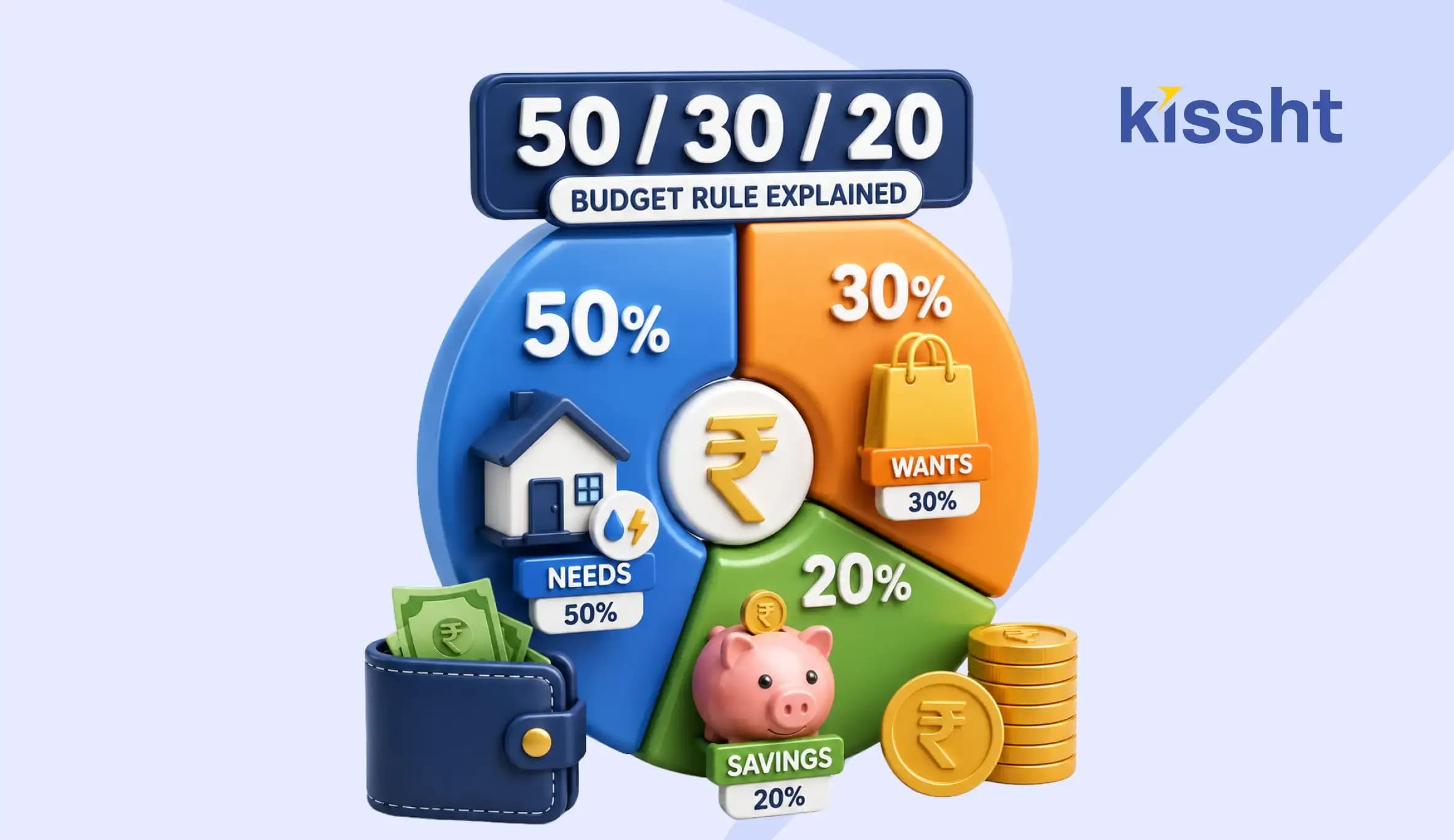
50/30/20 Budget Rule: Your Simple Guide to Financial Management
Jul 28, 2026
8 Best Walking Pads for Home in India (2026): Top Foldable Picks for Everyday Fitness

Jul 27, 2026
How to Download Form 15G Online: Form 121 PDF, Eligibility and Submission Guide - 2026

31st Jul 2026

