Best Investment Options for Beginners

The hardest part of investing is getting started․ There are so many products‚ so much jargon and conflicting advice out there․ But the sooner you get started and invest‚ the more time you have for your money to work for you․ So if you are a college graduate who got your first pay cheque or a person looking to invest for the long term‚ here are some investment options for beginners in India․.
In this guide‚ we'll explore these investment types‚ compare them‚ and provide a simple plan to help you get started on your investment journey․
Advantages of Starting to Invest Early
This is one of the reasons why compounding is so powerful․ A small investment made consistently over time beats a big investment made later․ Early on‚ it's better to learn the discipline of putting money to work often‚ rather than shooting for the highest possible return․
Popular Investment Plans for Beginners
Here are some of the easiest investment products for novices:
Mutual Funds: A professionally managed investment fund that pools money from multiple investors to purchase stocks‚ bonds‚ or both․
SIP (Systematic Investment Plan): A plan which invests in a mutual fund for a fixed amount․
Public Provident Fund (PPF): A government-backed long-term scheme for tax-efficient investment and savings․
Fixed Deposits (FDs) are low-risk‚ fixed-return products offered by banks․
Gold (Digital/Sovereign Gold Bonds): A customary hedge against inflation․
Direct Equity (Stocks): Higher risk and higher reward‚ best suited for the more experienced investor․
| Investment Option | Risk Level | Typical Returns | Liquidity | Ideal For |
|---|---|---|---|---|
| Mutual Funds (SIP) | Moderate | 10–14% (long term) | High | Beginners seeking growth |
| PPF | Low | ~7–8% | Low (15-year lock-in) | Long-term, tax-saving goals |
| Fixed Deposits | Low | 6–7.5% | Moderate | Risk-averse investors |
| Gold Bonds | Moderate | Market-linked | Moderate | Diversification |
| Direct Stocks | High | Variable | High | Experienced/aggressive investors |
Mutual Fund Investment Plans for Beginners
For beginners‚ investing in a mutual fund is often one of the best investment options available because it is professionally managed‚ diversified‚ and does not require wide-ranging knowledge of the market․
Equity Mutual Funds: Higher growth potential‚ suitable for long-term goals
Debt Mutual Funds: Lower risk‚ suitable for short-to-medium term financial goals․
Hybrid Funds: A mix of both equity and debt funds․
Beginning investors generally choose large-cap funds or index funds‚ which are seen as less risky than sector or small-cap funds․
SIP Investment for Beginners: The Easiest Way to Start
If mutual funds are the vehicle for investment‚ then SIP investment is the steering wheel for a good drive․ SIP is a disciplined way to invest a certain amount of money every month in a mutual fund scheme‚ starting with an amount as low as ₹ 500‚ directly debited from a bank account․
Why SIPs work well for beginners:
- Financial discipline is achieved through automation․
- They average out market volatility (rupee cost averaging)․
- They don't require timing the market․
- They're flexible - you can increase‚ pause, or stop anytime․
What About Financial Emergencies While You Invest?
A common mistake among new investors is to break their investments i․e․‚ SIP or FDs‚ in the event of an emergency expense‚ thus disrupting the computation of compound interest‚ incurring penalties or taxes․
However‚ if you need quick cash‚ then it is advisable to use an instant loan app‚ so that you do not touch your long-term investments․ You can use trusted online loan app like Kissht to get quick and hassle-free personal loans for urgent needs like medical emergencies‚ credit card bills‚ etc․ As an instant loan provider‚ Kissht offers the convenience of a 100% digital loan application and disbursal process‚ so you can manage your short-term cash gaps without disruptions to your long-term investments․
Taking a quick loan from an instant loan provider in an emergency (and not redeeming your investments) can help you stay on track with SIPs.
Conclusion
For any investor who is starting fresh in the investment journey‚ the key is to start early‚ keep investing regularly‚ and also ensure to diversify well instead of looking for a perfect investment vehicle․ Trading in mutual funds‚ SIPs‚ PPF‚ or a combination of various instruments is a good way to go․
To help with unforeseen expenses‚ you can now bank on apps like Kissht‚ which allow your investments to continue compounding and growing in the long run․
Start small․ Stay consistent․ Let time do the heavy lifting․
FAQs
1. What is income tax in simple words?
Income tax is a direct tax paid to the government on the income you earn during a financial year. It applies to income from salary, business, freelancing, rent, interest, and other sources.
2. What is the difference between Financial Year and Assessment Year?
A Financial Year is the year in which you earn income. An Assessment Year is the year in which you file your income tax return for that income. For example, income earned in FY 2025–26 is filed in AY 2026–27.
3. What is the difference between old tax regime and new tax regime?
The old tax regime allows many deductions and exemptions such as 80C, 80D, and HRA. The new tax regime usually has lower tax rates but allows fewer deductions. The right choice depends on your income, investments, and eligible deductions.
4. What are common tax deductions beginners should know?
Beginners should know about deductions such as Section 80C for tax-saving investments, Section 80D for health insurance premiums, HRA for eligible salaried individuals living on rent, standard deduction, and Section 80TTA for savings account interest.
5. What should I do if tax season creates a cash flow problem?
It is better to plan taxes in advance and keep funds aside. If there is still an urgent short-term cash gap, you may consider a personal loan only if you are confident about repayment.






Instant Loans at Your Fingertips


Personal Loan
Fast, hassle-free loan for your personal needs.

Business Loan
Fuel your business growth with quick approvals.

Loan Against Property
Unlock your property’s value with ease.

Credit Pulse
Boost your credit score with smart insights.

Track your credit score
Simply enter your mobile number to get a quick overview of your credit score.
Check Now

Related articles

Sept 23, 2026
What are the Common UPI Terms and Their Meanings?

Sept 15, 2026
UPI MDR Explained: What Changes From October 2026?

Aug 28, 2026
Mutual Funds vs․ Stocks: What's the Difference?

Aug 23, 2026
SIP Investment Guide for Beginners: Steps, Benefits and Risks

Aug 11, 2026
Different Types of Bank Accounts in India: Which One Should You Choose?
Aug 25, 2026
Form 26AS: Meaning, Details, Login & How to Download
Aug 25, 2026
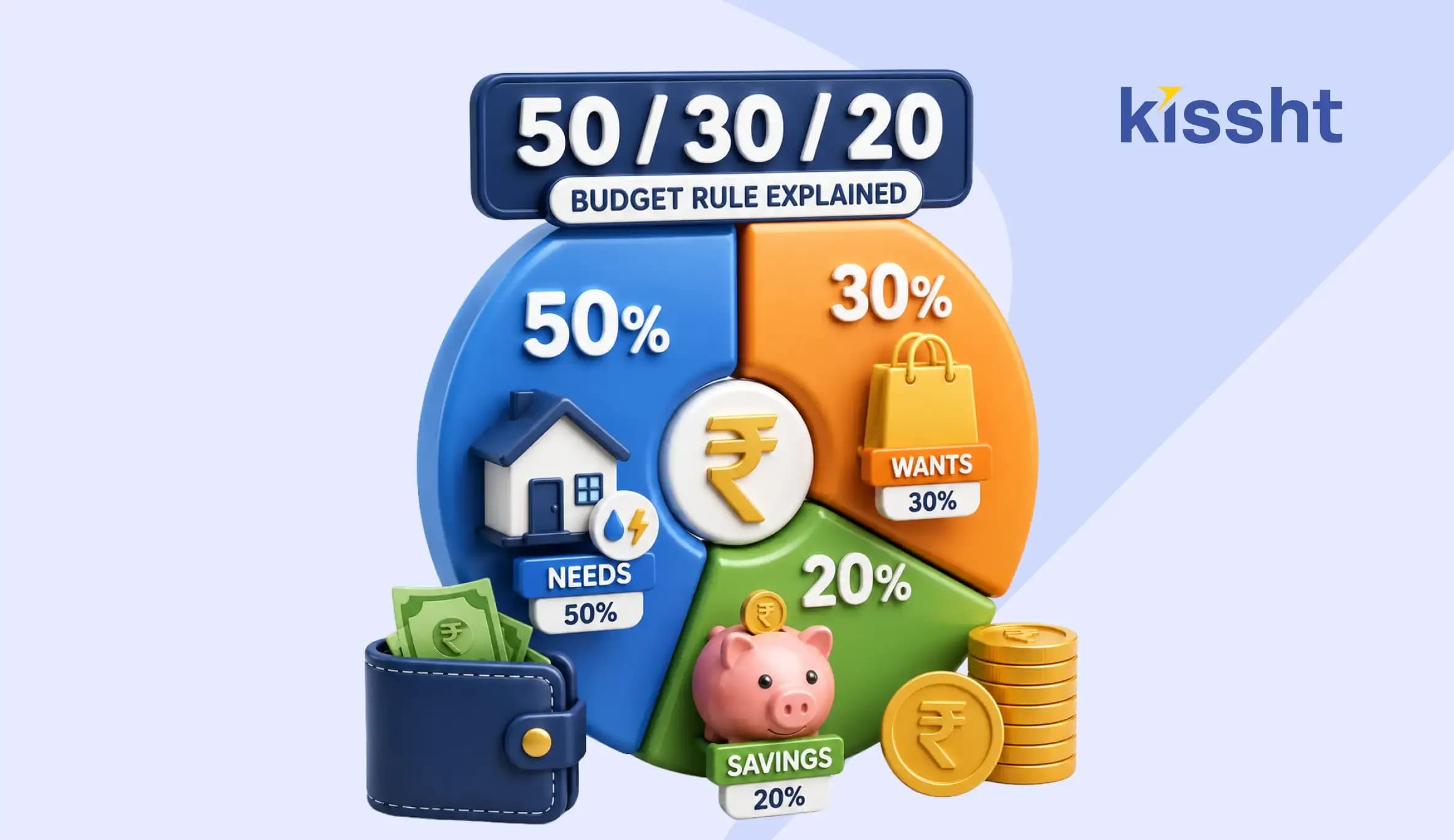
50/30/20 Budget Rule: Your Simple Guide to Financial Management

Jul 28, 2026
8 Best Walking Pads for Home in India (2026): Top Foldable Picks for Everyday Fitness

Jul 27, 2026
How to Download Form 15G Online: Form 121 PDF, Eligibility and Submission Guide - 2026

31st Jul 2026
How to File a Cyber Crime Complaint in India - Step-by-Step Process

Jun 18, 2026

