Does Increasing Your Credit Limit Impact Your Credit Score?
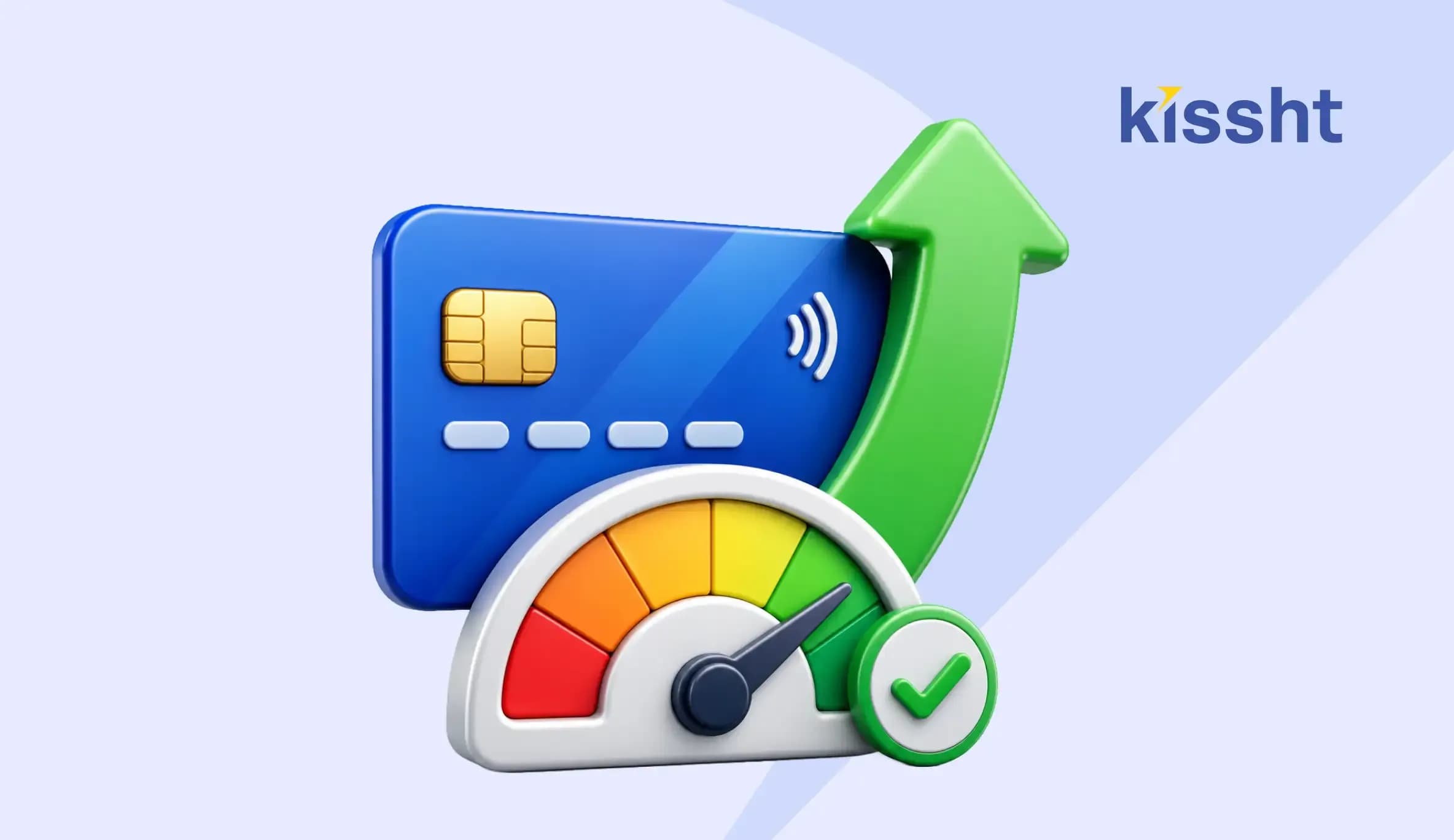
You finally receive that message from your bank that your card is eligible for an upgrade. Having more spending power is exciting, but it also brings up a familiar question: Will it actually improve your financial health or create new risks? Many don’t understand what a higher limit means to their credit score, and whether it’s a smart decision to take it.
The truth is increasing your credit limit can go either way. When used wisely, it can make your profile stronger. If you use it carelessly, it can silently reduce your score. The difference lies in how you handle it.
Why Credit Limits Matter More Than You Think
Your credit limit is more than a measure of how much you can spend, it is an important factor that lenders use to help judge your financial behavior. As your credit limit increases, so does the total amount of available credit. This will directly impact your credit utilization ratio.
One of the most important factors in your credit score is the amount you use vs how much you have (the ratio). In fact, financial experts advise keeping your utilization below 30% to keep your profile healthy.
For example:
- If your limit is ₹1,00,000 and you spend ₹50,000 → 50% utilization (high)
- If your limit increases to ₹2,00,000 and spending stays ₹50,000 → 25% utilization (ideal)
Same spending, better profile, that’s the real advantage.
How Increasing Your Credit Limit Affects Your Credit Score
Whether the impact is positive or negative depends entirely on your habits.
Positive Impact
A higher credit limit can work in your favor if you stay disciplined:
- You keep your spending unchanged
- You maintain utilization below 30%
- You continue paying bills on time
In practice, many users see a slow increase of their limits over a period of 2-3 months after an increase, if their spending is still under control. Lenders prize financial stability and this is what lower utilization means.
Negative Impact
The same increase can backfire if not handled carefully:
- You start spending more just because the limit is higher
- You delay payments due to higher bills
- You depend heavily on credit for everyday expenses
That's where most people go wrong. A higher limit can create a false feeling of affordability. Your credit score can go down instead of up if your usage goes to 60-70%.
Should You Accept a Credit Limit Increase?
This decision depends more on your behavior than your income.
You should consider accepting it if:
- You already have a strong repayment habit
- You don’t plan to increase your spending
- You want to improve your credit utilization
You may want to decline it if:
- You tend to overspend when limits increase
- You’re already carrying high balances
- You plan to apply for new credit soon
Think of it this way: a higher limit rewards discipline, but punishes impulsive spending.
How to Use a Higher Credit Limit Wisely
A higher limit isn’t extra money, it’s a financial tool. Here’s how to use it smartly:
- Keep your monthly spending close to your previous levels
- Always pay the full amount instead of the minimum due
- Spread expenses instead of concentrating them on one card
- Review your statements regularly to stay in control
Pay the total amount due on or before the due date. Paying before the statement is generated may also help reduce the balance reported to the credit bureau, depending on the issuer’s reporting cycle.
Quick Comparison: Good vs Risky Credit Behavior
| Situation | Responsible Approach | Risky Approach |
|---|---|---|
| Increased Credit Limit | Spending remains within the existing budget | Spending rises sharply because more credit is available |
| Credit Utilisation | Kept low and managed consistently | A large portion of the available limit is regularly used |
| Repayment Behaviour | Total amount due paid on time | Minimum payments, missed payments or delayed payments |
| Financial Mindset | Credit is used according to a planned budget | Credit is treated as additional income |
| Account Monitoring | Statements and transactions are reviewed regularly | Account activity and outstanding balances are ignored |
The Role of Credit Monitoring
You can’t improve what you don’t measure. A regular credit score check helps you understand the impact of your financial decisions (like a limit increase) on your profile.
Platforms like Kissht integrate financial tools with credit tracking to simplify this. Knowing your credit health puts you in a better position whether you are planning for a personal loan or looking for an instant personal loan.
Common Mistakes to Avoid After a Limit Increase
Even financially responsible people can slip up after a limit increase. Watch out for these:
- Treating the higher limit as extra income
- Ignoring small dues that slowly build up
- Applying for multiple loans through an instant loan app
- Not reviewing spending patterns regularly
Avoiding these mistakes can be the difference between a stronger profile and a declining one.
When a Credit Limit Increase Makes the Most Sense
Timing can make a big difference in how beneficial the increase is.
A limit increase works best when:
- You’ve maintained on-time payments for at least 6 - 12 months
- Your income has improved but your limit hasn’t
- You want to strengthen your profile before a future loan
In these situations, the increase supports long-term goals rather than short-term spending.
Conclusion
So does raising your credit limit affect your financial health? Sure. But the limit isn’t the real factor. It’s how you use it.
When used responsibly, it can help you establish a better credit score, provide you financial freedom and open up opportunities for you. The trick is simple: don't let higher limits change your behaviour. Stay consistent. Stay aware. Use credit as a tool, not a temptation.
Frequently Asked Questions (FAQs)
1. Does increasing my credit limit automatically improve my credit score?
No, it doesn’t happen automatically. The benefit comes from lower utilization and consistent repayment behavior. If your spending increases along with your limit, the impact may be neutral or even negative.
2. Will requesting a credit limit increase affect my score?
Sometimes, yes. If the lender performs a hard inquiry, your score may dip slightly in the short term. However, this is usually temporary and can be offset by better credit usage over time.
3. How much of my credit limit should I ideally use?
Experts recommend keeping your usage below 30%. Staying within this range shows lenders that you’re not overly dependent on credit, which strengthens your profile.
4. Can a higher credit limit help me get better loan offers?
Yes, indirectly. A lower utilization ratio and improved profile can increase your chances of getting better terms, higher approval chances, and lower interest rates.
5. Should I increase my limit before applying for a loan?
It depends. If it helps reduce your utilization, it can strengthen your application. But if it involves a hard inquiry, it’s better to space it out before applying for new credit.

Chakshu Portal: What to Do When You Receive a Fraudulent Communication?
 Previous
How Much Loan Can You Get for a Food Franchise Business?


Kissht Research TeamTeam Kissht - Authors
Thank You for reading the Kissht blog. Behind every article is the Kissht Content & Research Team, working to make sure you always find clear, reliable answers to your personal finance questions.Thank you for reading the Kissht blog. Behind every article is the Kissht Content & Research Team, working to make sure you always find clear, reliable answers to your personal finance questions.

Instant Loans at Your Fingertips
Apply nowPersonal Loan
Fast, hassle-free loan for your personal needs.

Business Loan
Fuel your business growth with quick approvals.

Loan Against Property
Unlock your property’s value with ease.

Credit Pulse
Boost your credit score with smart insights.

Track your credit score
Simply enter your mobile number to get a quick overview of your credit score.
Check Now
Related articles
Jul 9, 2026
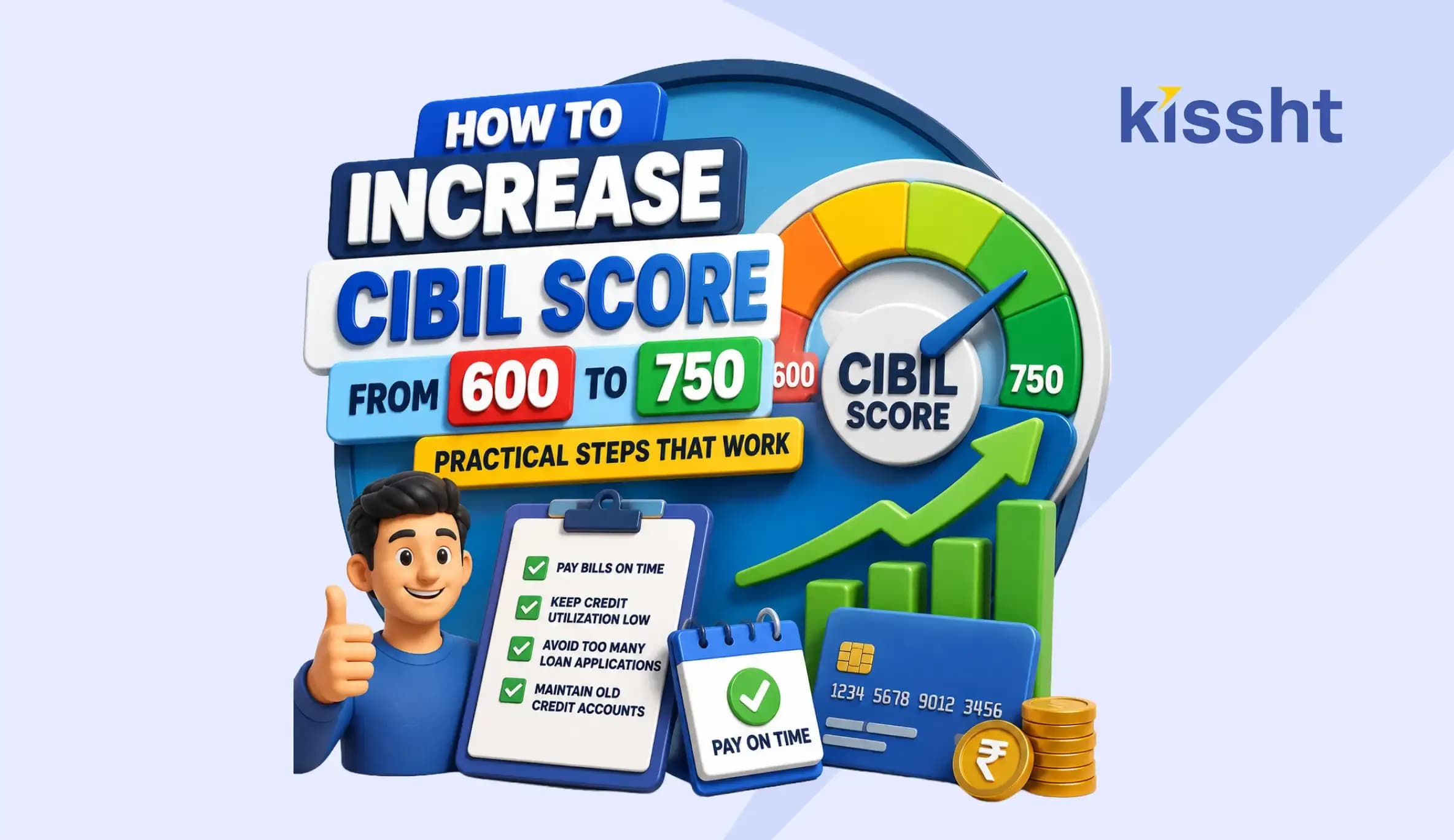
How to Increase CIBIL Score from 600 to 750: Practical Steps That Work
Jun 20, 2026
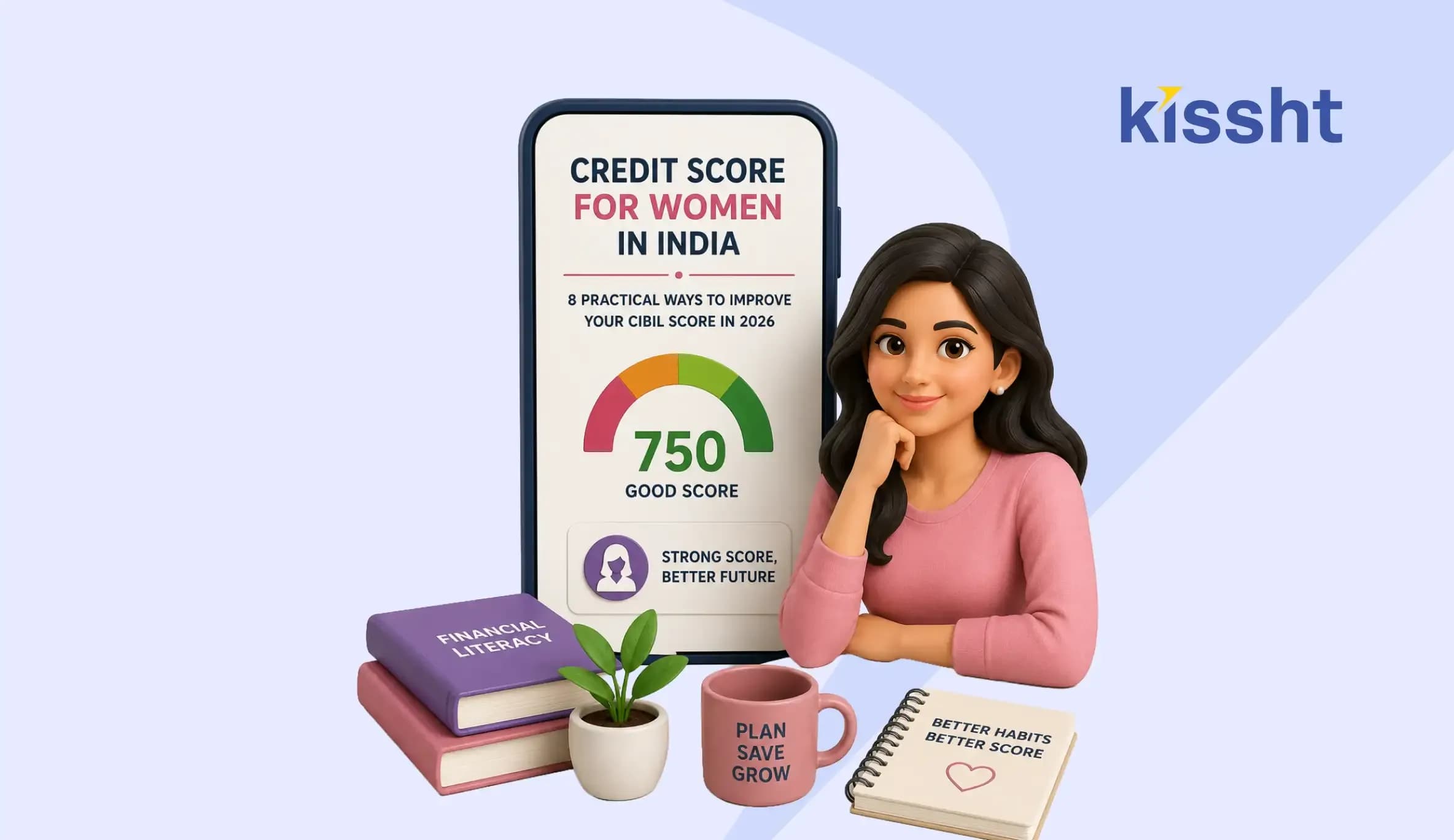
Credit Score for Women in India: 8 Practical Ways to Improve Your CIBIL Score in 2026
Jun 18, 2026
750 Credit Score: Is It Good or Bad?
Jun 10, 2026
Does Checking Your Credit Score Affect Your CIBIL Score?
Jun 11, 2026
How to Improve Your Credit Score Before Applying for a Loan
Jun 11, 2026
How to Download Credit Score Report for Free?
Jun 11, 2026
CIBIL Full Form Explained: Everything You Need To Know
May 26, 2026
फ्री में CIBIL स्कोर कैसे चेक करें
May 25, 2026
Minimum Credit Score Required for a Personal Loan
Apr 19, 2026
Credit Card Without CIBIL Score: How to Apply & Best Options in India
Feb 23, 2026
Is a 750 Credit Score Good in India?
Jan 28, 2026

