750 Credit Score: Is It Good or Bad?
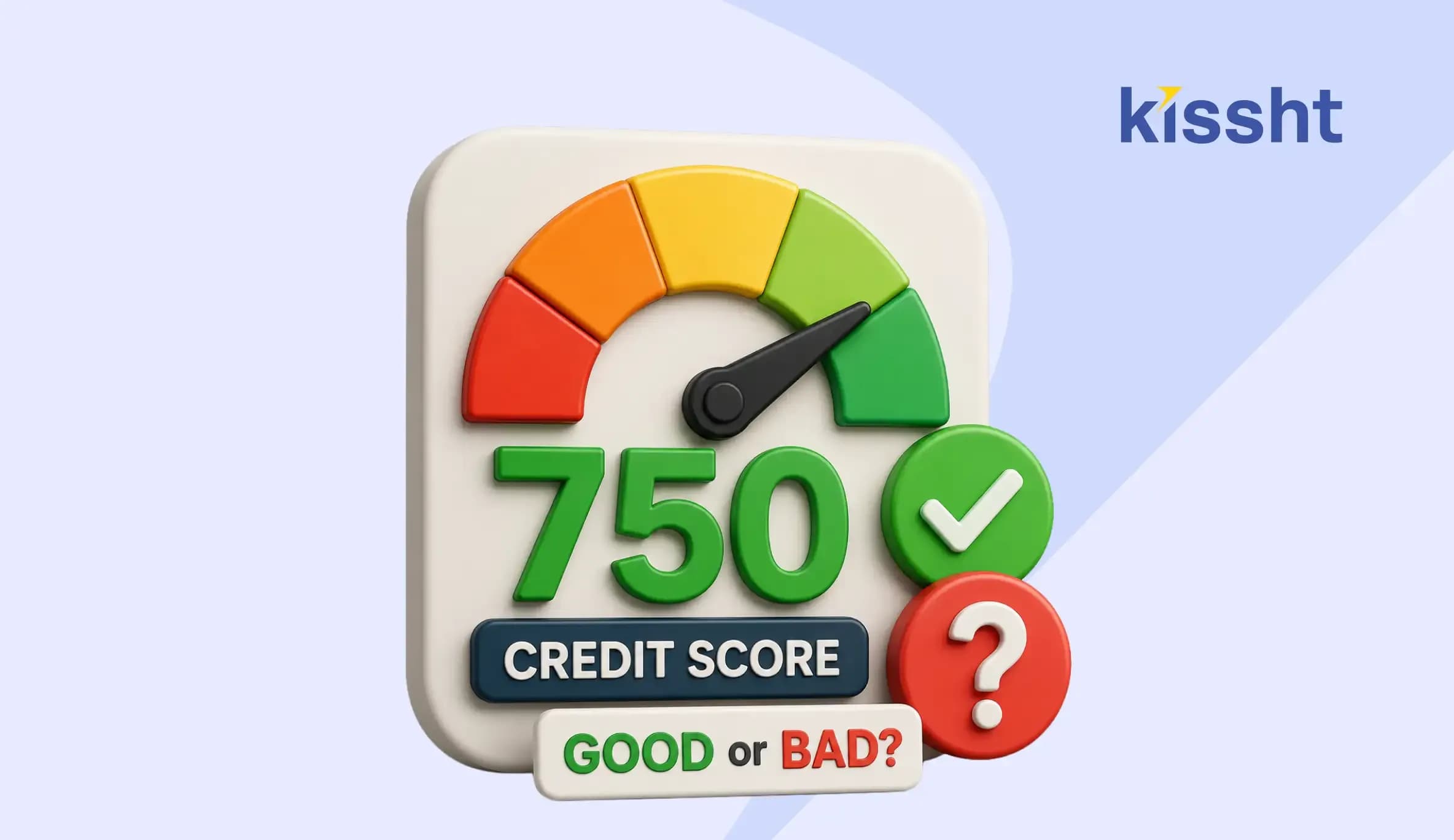
A credit score is one of the key indicators lenders use to assess an individual's creditworthiness. Whether you are applying for a home loan, personal loan, or credit card, your score offers insight into how responsibly you have managed credit in the past. While it is not the sole factor influencing approval decisions, maintaining a healthy score can improve access to financial products and borrowing opportunities.
Before applying for a loan, many borrowers begin with a credit score check, estimate repayments using a loan EMI calculator, compare offers through an online loan app, or evaluate an instant loan online option to better understand their borrowing choices.
Among the different score categories used by lenders, a 750 credit score is often regarded as a strong indicator of responsible financial behaviour. Knowing where it sits within the broader credit score range can help borrowers assess their financial standing and identify opportunities to strengthen it further.
What does a 750 credit score mean?
Credit scores are designed to reflect an individual's borrowing and repayment history. Factors such as repayment consistency, credit utilisation, credit mix, and the length of credit history contribute to the final score.
A score at this level generally indicates that a borrower has managed credit responsibly over time. Timely repayments and prudent use of credit facilities often contribute to reaching this level.
Many borrowers ask, is 750 credit score good? In most situations, lenders view such a score favourably because it demonstrates a relatively lower level of credit risk.
Where does it fall in the credit score range?
Although scoring models may differ slightly, a score of 750 typically falls within a strong credit score range.
A good credit score can help borrowers:
- Improve loan eligibility
- Access competitive interest rates
- Enhance approval prospects
- Expand borrowing options
For many financial institutions, a 750 CIBIL score signals a positive credit history and responsible financial management.
Is 750 credit score good for loan applications?
One of the most common questions among borrowers is: is 750 credit score good when applying for loans?
In many cases, the answer is yes. A score at this level may strengthen a loan application and improve access to various credit products. However, lenders also consider:
- Income and employment stability
- Existing financial obligations
- Loan amount requested
- Repayment capacity
- Overall financial profile
A good credit score can support an application, but it is only one component of the evaluation process.
What does a 750 CIBIL score indicate?
Understanding what a 750 CIBIL score represents can provide useful insight into your financial health.
Generally, CIBIL score 750 means:
- Consistent repayment behaviour
- Responsible credit usage
- Lower perceived lending risk
- Sound financial discipline
Similarly, CIBIL score 750 means that a borrower has demonstrated a track record of managing credit obligations effectively over a sustained period.
Benefits of maintaining a 750 credit score
There are several benefits of 750 credit score levels that borrowers may find valuable.
Better access to credit
Lenders often prefer applicants who maintain a healthy credit profile. Such a score may improve access to different types of loans and credit facilities.
Competitive borrowing terms
Borrowers with a strong score may qualify for more attractive interest rates and repayment structures, depending on the lender's policies. They may also find it easier to compare offers from a best loan provider when evaluating borrowing options.
Improved financial flexibility
An ideal credit score can provide greater confidence when pursuing major financial goals such as purchasing a home, financing education, or managing planned expenses.
Stronger financial profile
Maintaining a 750 CIBIL score can contribute positively to your overall borrowing profile and future credit applications.
Is 750 a good credit score compared to higher scores?
Some borrowers wonder whether 750 a good credit score when compared with scores above 800.
While higher scores may offer additional advantages in certain situations, a score of 750 is widely regarded as a strong position. For many lending products, it falls comfortably within the range that lenders consider favourable.
This is why the question is 750 credit score good is frequently answered positively by financial professionals. Nevertheless, maintaining good habits can help improve the score even further over time.
How to maintain or improve your score
If you currently have a score of 750, the following practices can help preserve or improve it:
- Pay EMIs and bills on time
- Keep credit utilisation at reasonable levels
- Review your credit report regularly
- Avoid multiple unnecessary credit applications
- Maintain a balanced mix of credit products
Regular monitoring through a credit score check can help identify inaccuracies and track progress over time.
An ideal credit score is usually the result of consistent financial discipline rather than short-term efforts.
Final thoughts
A 750 credit score reflects disciplined financial behaviour and can place borrowers in a favourable position when seeking credit. Regular monitoring through platforms such as Kissht, timely repayments, and prudent credit management can help preserve this standing and support future financial goals.
FAQs
Is 750 credit score good for a home loan?
Yes. Many lenders consider a 750 credit score to be a strong indicator of creditworthiness when evaluating home loan applications, although other eligibility factors also play a role.
What does a 750 CIBIL score mean?
A 750 CIBIL score generally indicates responsible credit management, timely repayments, and a relatively lower lending risk profile.
Can I improve my score beyond 750?
Yes. Consistent repayment behaviour, responsible credit usage, and regular monitoring can help improve your score over time.

Ways to Get Funding for Your Startup Idea
 Previous
Does Checking Your Credit Score Affect Your CIBIL Score?


Kissht Research TeamTeam Kissht - Authors
Thank You for reading the Kissht blog. Behind every article is the Kissht Content & Research Team, working to make sure you always find clear, reliable answers to your personal finance questions.Thank you for reading the Kissht blog. Behind every article is the Kissht Content & Research Team, working to make sure you always find clear, reliable answers to your personal finance questions.

Instant Loans at Your Fingertips
Apply nowPersonal Loan
Fast, hassle-free loan for your personal needs.

Business Loan
Fuel your business growth with quick approvals.

Loan Against Property
Unlock your property’s value with ease.

Credit Pulse
Boost your credit score with smart insights.

Track your credit score
Simply enter your mobile number to get a quick overview of your credit score.
Check Now

Related articles
Jul 18, 2026
Does Increasing Your Credit Limit Impact Your Credit Score?

Jul 9, 2026
How to Increase CIBIL Score from 600 to 750: Practical Steps That Work

Jun 20, 2026
Credit Score for Women in India: 8 Practical Ways to Improve Your CIBIL Score in 2026
Jun 10, 2026
Does Checking Your Credit Score Affect Your CIBIL Score?

Jun 11, 2026
How to Improve Your Credit Score Before Applying for a Loan
Jun 11, 2026
How to Download Credit Score Report for Free?
Jun 11, 2026
CIBIL Full Form Explained: Everything You Need To Know

May 26, 2026
फ्री में CIBIL स्कोर कैसे चेक करें

May 25, 2026
Minimum Credit Score Required for a Personal Loan

Apr 19, 2026
Credit Card Without CIBIL Score: How to Apply & Best Options in India

Feb 23, 2026
Is a 750 Credit Score Good in India?

Jan 28, 2026

