How to Improve Your Credit Score Before Applying for a Loan
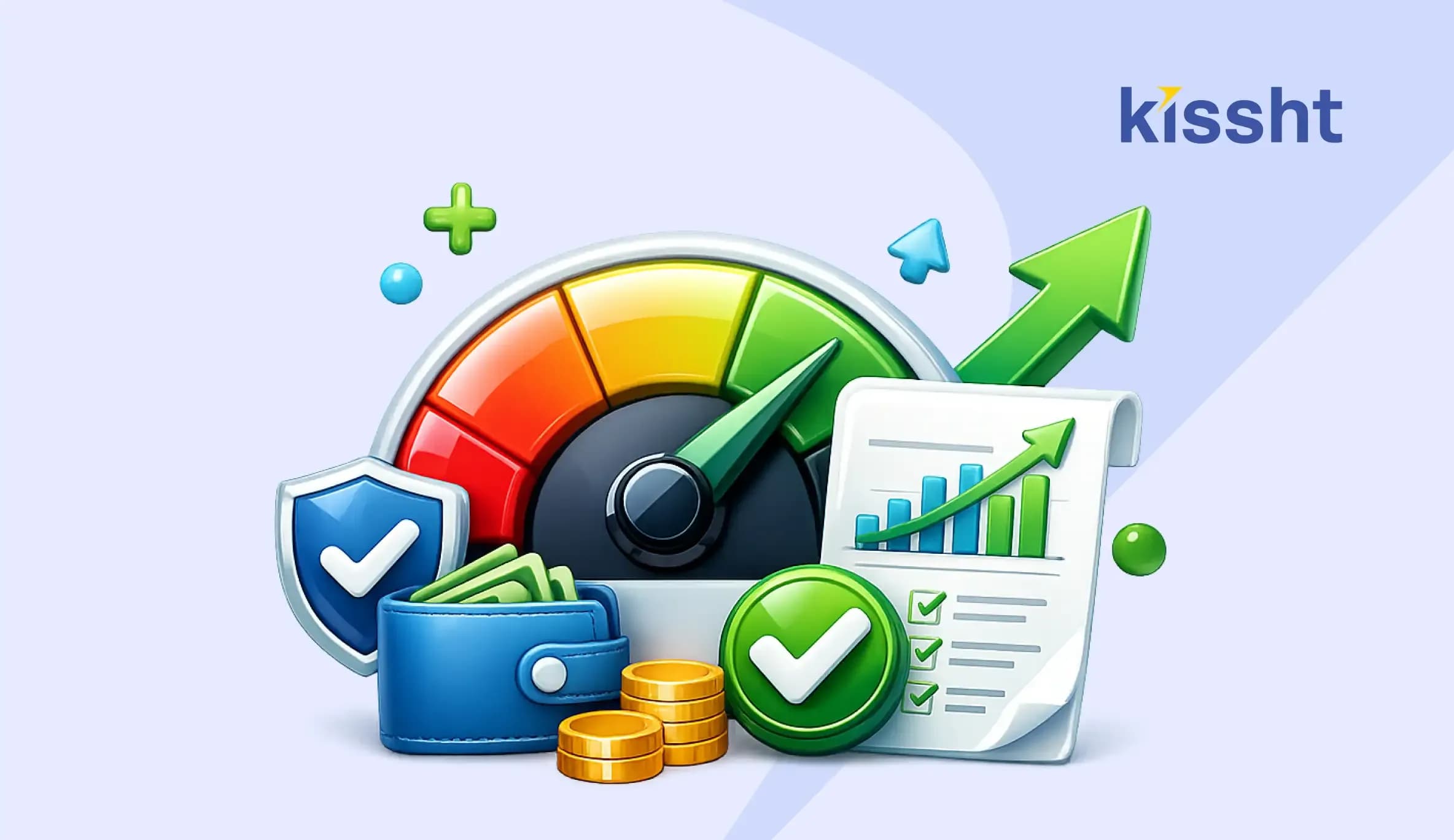
Applying for a loan becomes easier when your credit score is in good shape. Banks and financial institutions review this score to understand how responsibly you have managed credit. A higher score improves your chances of approval and may help you secure better interest rates and favourable loan terms.
Many people only think about their credit score when they urgently need funds. Unfortunately, improving a score takes time and consistent financial discipline. If you're wondering how to increase credit score before applying for an instant loan online, this blog covers the key steps you can take to strengthen your credit profile.
What is a credit score?
A credit score ranges from 300 to 900. Lenders share your credit activity with CIBIL every month, and the score is calculated based on factors such as repayment history, credit utilisation, credit mix, length of credit history, and recent credit inquiries.
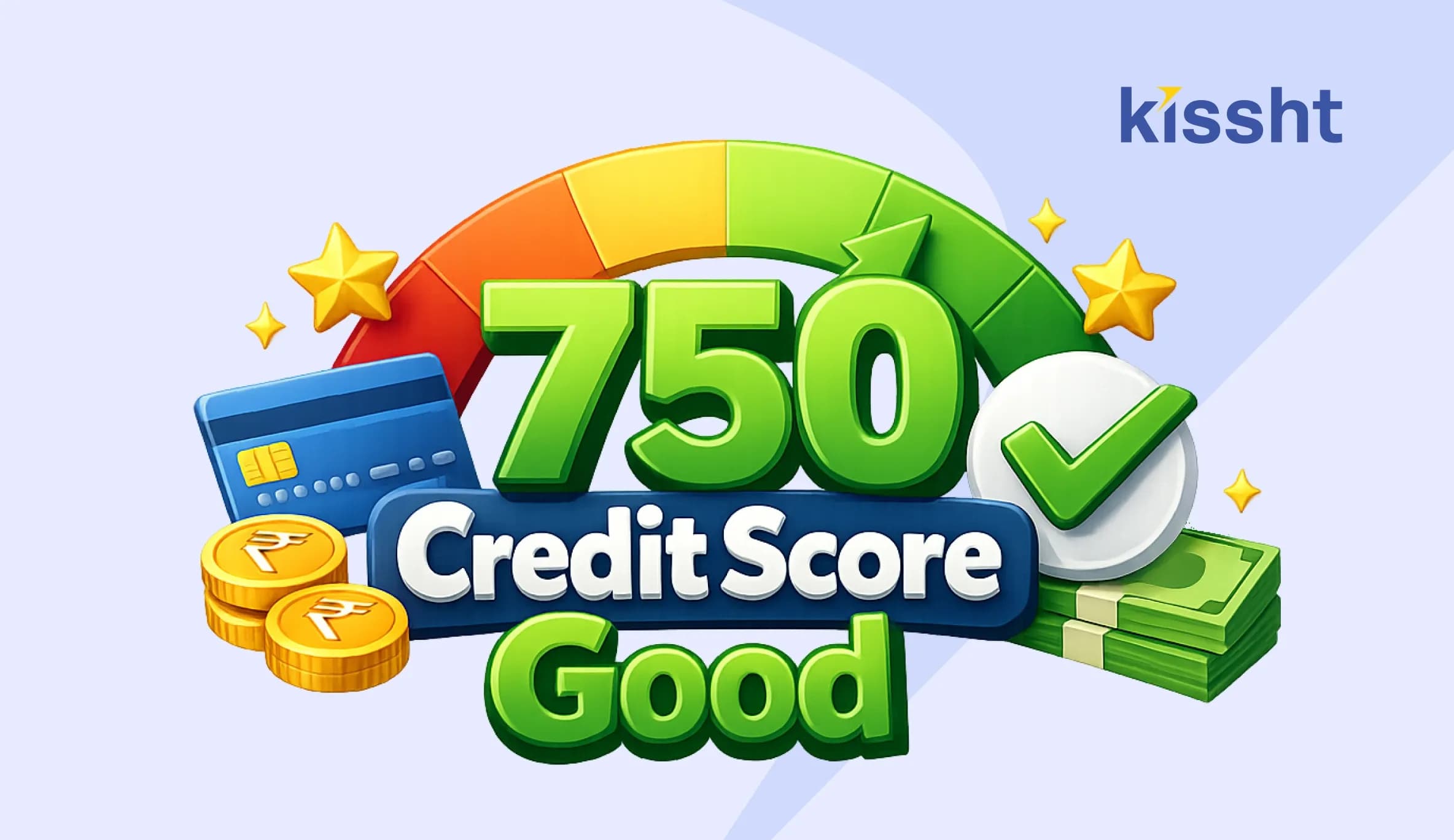
A score above 750 is considered good and may improve your chances of getting approved for loans and credit cards. A score below this range may indicate a higher credit risk to lenders.
How to improve credit score?
You can build your credit score with responsible credit behaviour. These simple yet effective steps can help you build a stronger credit profile over time.
1. Check your credit report regularly
The first step to improving your credit score is understanding your current position. Reviewing your credit report helps identify errors, outdated information, or accounts affecting your score.
Errors in your credit report, such as incorrect loan balances, duplicate accounts, or inaccurate payment history, can lower your score. Regularly reviewing your report and reporting such errors to the credit bureau keeps your credit information accurate.
2. Timely payment of EMIs and credit card bills
Payment history is a key factor influencing your credit score. Missing loan EMIs or credit card payments can reduce your score and remain on your credit report for years. Even a single delayed payment can affect lenders’ confidence.
Setting up auto-debit, payment reminders, or calendar alerts can help you avoid missing due dates. This responsible credit behaviour will gradually strengthen your credit profile over time.
3. Keep your credit utilisation ratio low
Credit utilisation is the percentage of credit you are using out of the total available credit. Financial experts recommend keeping this below 30% of your total credit limit. For eg, if your credit card limit is ₹1,00,000, keep your outstanding balance below ₹30,000.
High utilisation levels may signal financial stress to lenders, even if payments are on time. Lower utilisation shows better credit management and can help increase credit score over time.
4. Avoid multiple loan applications
There’s a common habit of people submitting loan applications to multiple lenders, hoping to improve their chances of approval. But this approach can have the opposite effect.
Every loan or credit card application triggers a hard inquiry on your credit report. Multiple inquiries in a short time may suggest credit hunger and reduce your score. A focused approach is better than multiple applications.
5. Maintain a healthy credit mix
Lenders often prefer borrowers who have successfully managed different types of credit. A balanced mix of secured and unsecured loans can positively impact your credit profile.
Taking unnecessary loans just to create a credit mix is not advisable. The goal is to manage existing credit responsibly and maintain long-term financial stability.
6. Avoid closing old credit accounts
Many borrowers close old credit cards after paying off their balances. While this may seem like a good idea, it can reduce the average age of your credit history.
Long-standing accounts provide lenders with a broader picture of your repayment behaviour over time. Older accounts that are well-managed often contribute positively to your credit profile.
7. Build a positive credit history
People new to credit often wonder how to build a credit score from scratch. A secured credit card or other credit products, like an instant personal loan, can help establish a repayment history.
Simply obtaining credit is not enough. Borrowers looking to establish a repayment track record can build a positive credit history over time by responsibly using credit products offered through an instant loan app like Kissht.
A healthy credit score can open the door to better loan opportunities, lower borrowing costs, and greater financial flexibility. Good repayment habits, controlled credit utilisation, and regular monitoring can gradually strengthen your credit profile and improve your chances of approval when you need financing.
Before applying for an instant loan online, it is always a good practice to review your credit health. With Kissht's credit score tracker, you can monitor your score, identify areas for improvement, and make informed borrowing decisions.
FAQs
1. How can I fix my credit score?
You can fix your credit score by paying EMIs and credit card bills on time, reducing outstanding debt, correcting errors in your credit report, and maintaining low credit utilisation.
2. Can checking a credit score lower it?
No. Checking your own credit score is considered a soft inquiry and doesn’t affect your score.
3. What is a good credit score for a loan?
A score of 750 or above is considered good and may improve your chances of loan approval.
4. Can I get a loan with a low credit score?
Some lenders may still offer loans, but approval chances, loan amounts, and interest rates may vary depending on your credit profile and eligibility. Choosing the best loan provider, such as Kissht, can help you understand your options and eligibility before applying.
5. How long does it take to improve credit score?
The time it takes to improve your credit score depends on your credit history and financial behaviour. In most cases, noticeable improvements can take a few months as lenders update information with credit bureaus.
Does Checking Your Credit Score Affect Your CIBIL Score?
 Previous
How to Download Credit Score Report for Free?


Kissht Research TeamTeam Kissht - Authors
Thank You for reading the Kissht blog. Behind every article is the Kissht Content & Research Team, working to make sure you always find clear, reliable answers to your personal finance questions.Thank you for reading the Kissht blog. Behind every article is the Kissht Content & Research Team, working to make sure you always find clear, reliable answers to your personal finance questions.

Instant Loans at Your Fingertips
Apply nowPersonal Loan
Fast, hassle-free loan for your personal needs.

Business Loan
Fuel your business growth with quick approvals.

Loan Against Property
Unlock your property’s value with ease.

Credit Pulse
Boost your credit score with smart insights.

Track your credit score
Simply enter your mobile number to get a quick overview of your credit score.
Check Now

Related articles
Jul 18, 2026
Does Increasing Your Credit Limit Impact Your Credit Score?
Jul 9, 2026
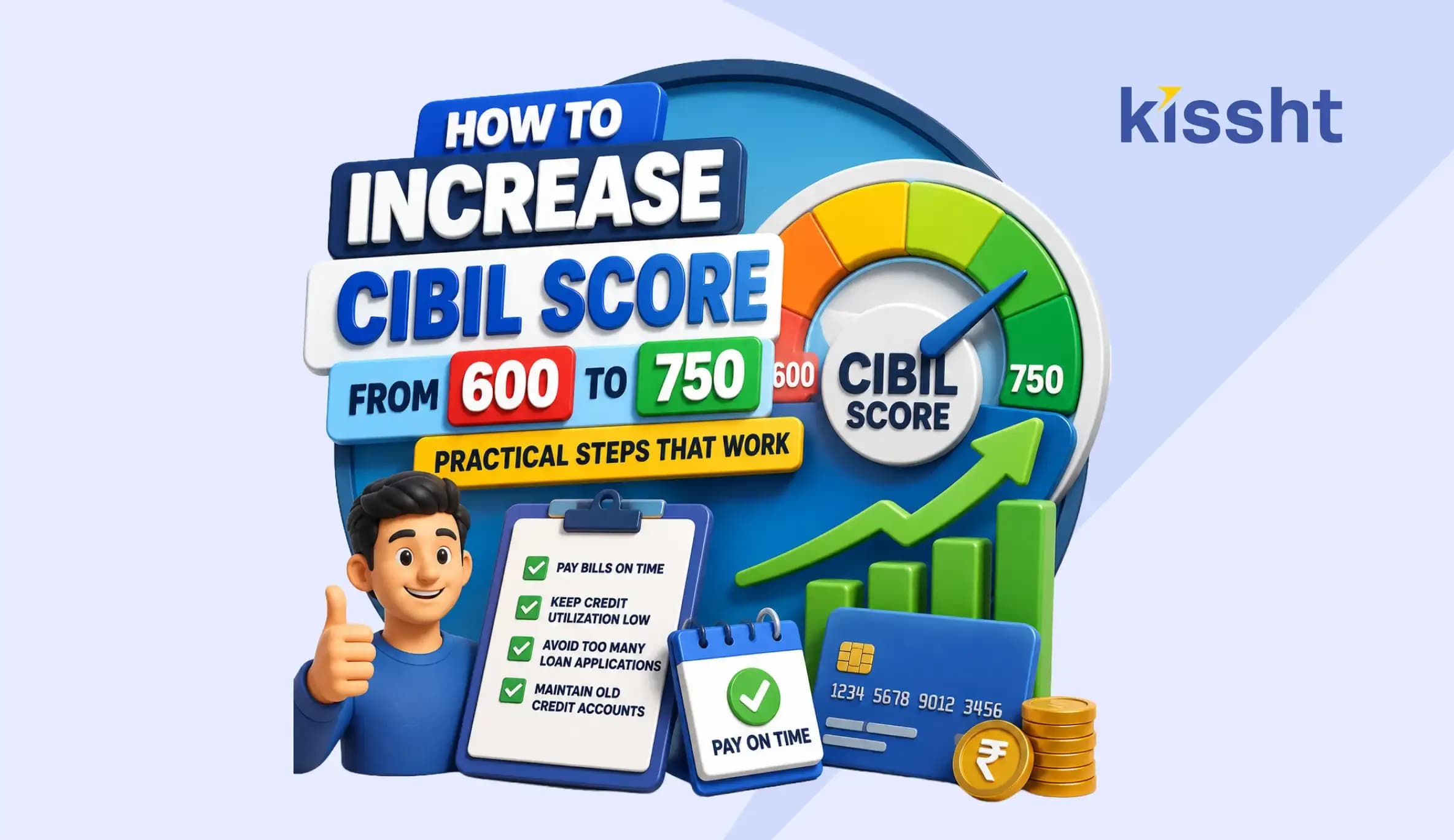
How to Increase CIBIL Score from 600 to 750: Practical Steps That Work
Jun 20, 2026
Credit Score for Women in India: 8 Practical Ways to Improve Your CIBIL Score in 2026
Jun 18, 2026
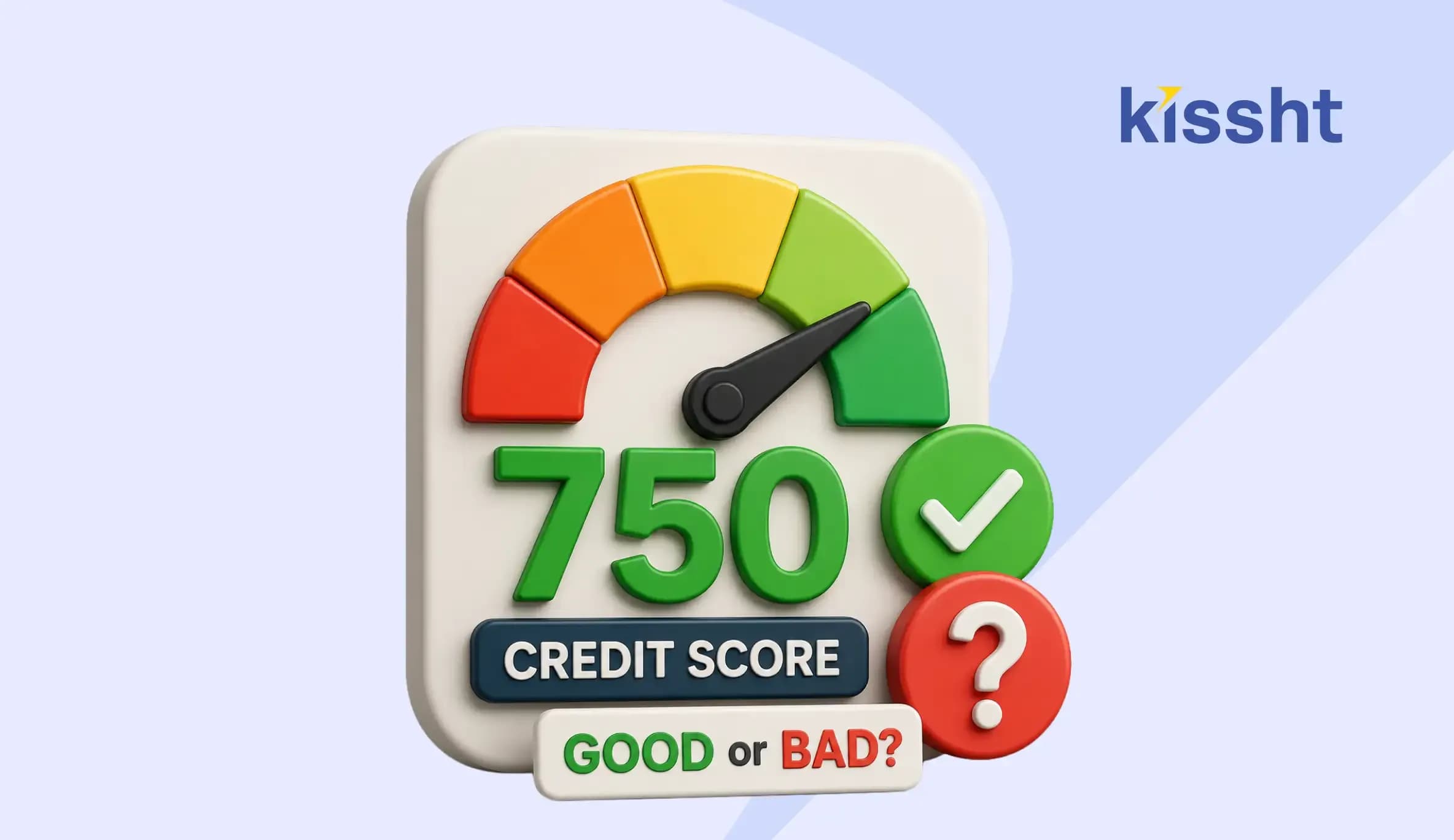
750 Credit Score: Is It Good or Bad?
Jun 10, 2026
Does Checking Your Credit Score Affect Your CIBIL Score?
Jun 11, 2026
How to Download Credit Score Report for Free?
Jun 11, 2026
CIBIL Full Form Explained: Everything You Need To Know
May 26, 2026
फ्री में CIBIL स्कोर कैसे चेक करें
May 25, 2026
Minimum Credit Score Required for a Personal Loan
Apr 19, 2026
Credit Card Without CIBIL Score: How to Apply & Best Options in India
Feb 23, 2026
Is a 750 Credit Score Good in India?
Jan 28, 2026

