How to Fix a Low Credit Score: Step-by-Step Guide
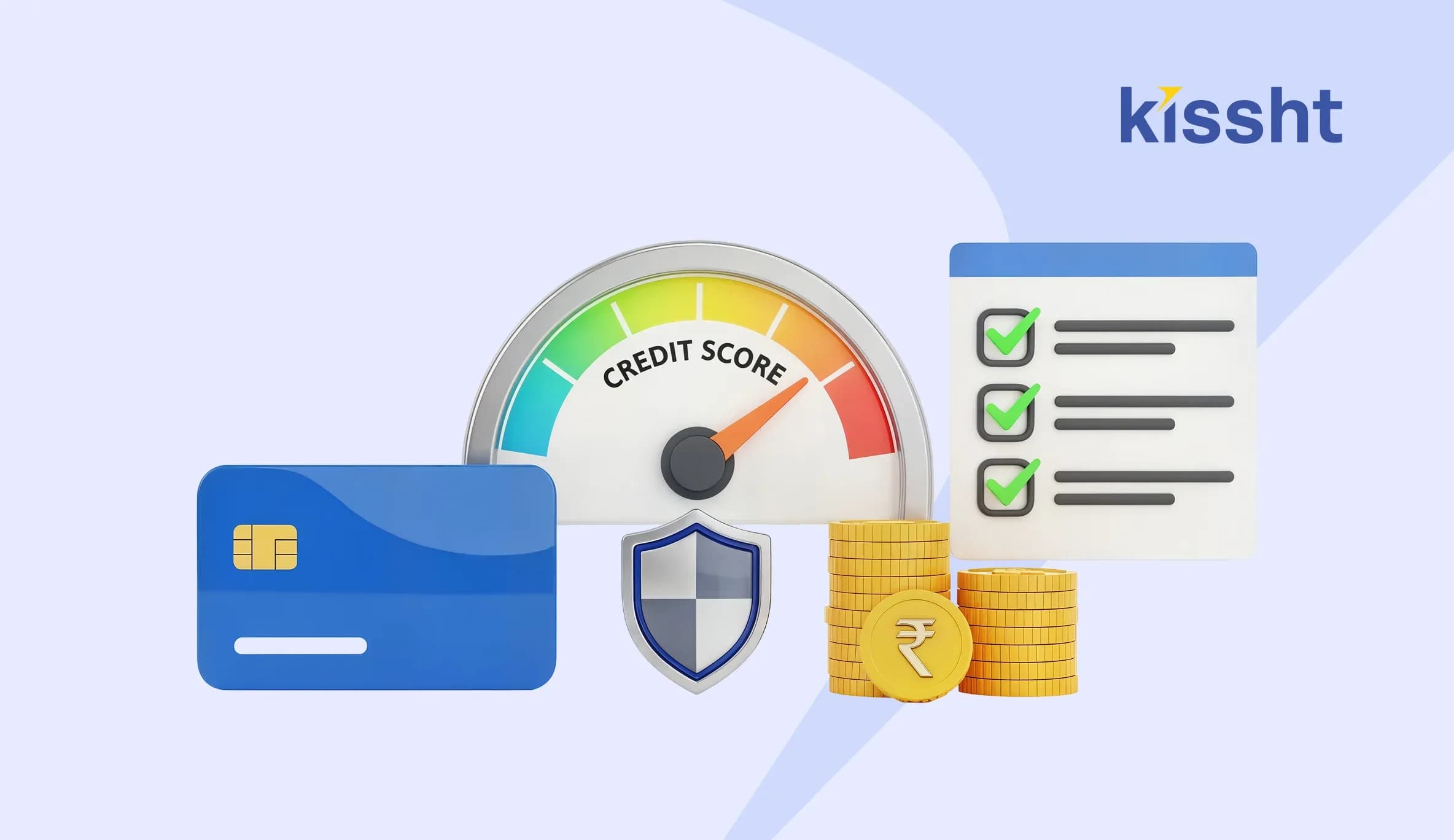
The pathway to an easy loan application process begins with a credit score check. Usually, this is the first factor that lenders check when an applicant files a loan application.
It indicates your credit history and repayment habits. Therefore, a strong score can help you secure a loan at a better interest rate.
But what should you do if you have a low credit score? The answer is you need to improve your credit score. Immediately, the next question that would pop into your mind is, ‘How do I increase my credit score?’
Let’s dive into the article to understand how to fix a low credit score.
Why a Good Credit Score Matters
A credit score tells lenders whether you can repay a loan without difficulty. It reflects how you have handled past credit, including loans, EMIs and credit cards. A strong score gives you access to better loan offers and lower interest rates. Even those applying for an instant personal loan through an instant loan app need a decent score to increase their approval chances.
Many borrowers using digital lenders such as Kissht often start by checking their score and planning improvements accordingly. People who want to check their credit score online can use simple, free tools that provide accurate information about their credit history.
Improving your score takes consistency. Changing it overnight isn't possible. The best way to build your credit score is by emplying steady financial habits.
How to Improve Your Credit Score Step by Step
Let us break down the entire process into simple steps that are easy to follow.
- Review Your Credit Report Carefully
The first step is to request a report from a credit bureau. Sometimes, small inaccuracies bring down your score unnecessarily. Look for the following.
-
Incorrect personal details
-
Misreported payments
-
Unknown loan accounts
-
Delayed updates from lenders
If you notice an error, raise a dispute immediately. Correcting these issues helps improve the score naturally.
- Pay All EMIs and Bills on Time
Late payments affect your score more than you expect. Set reminders, use auto-debit facilities or maintain a buffer in your bank account to avoid delays. Timely repayments show lenders that you are responsible and trustworthy.
If you are wondering how to increase your credit score, this is one of the most effective steps.
- Avoid Applying for Multiple Loans at Once
Every loan application creates a hard inquiry. Too many inquiries in a short time signal credit hunger. This may reduce your score. Instead, choose one lender after research. Even when using digital platforms or apps that offer quick loans, plan each application carefully.
- Reduce Your Credit Utilisation
Try to keep credit card usage below 30 percent of your total limit. High utilisation suggests dependency on credit. Reducing usage gradually is one of the simplest ways to improve your credit score fast.
- Maintain Older Credit Accounts
Older accounts help lenders understand your long-term repayment behavior. Do not close old credit cards unless necessary. A long credit history positively influences your score.
- Repay Outstanding Dues
If you have pending settlements, clear them step by step. Once the lender marks the account as fully paid, your score will begin to recover. Many people searching for how to increase their credit score quickly find that clearing old dues makes a visible difference.
- Use Credit Responsibly
Use your credit card for essential payments and repay the amount on time. Responsible use gives you a positive repayment history.
Factors That Affect Credit Score
| Factor | Impact Level | How to Improve |
|---------------------|--------------|----------------------------------------|
| Payment history | High | Pay EMIs on time |
| Credit utilisation | High | Use below 30 percent limit |
| Credit inquiries | Medium | Avoid multiple applications |
| Credit mix | Medium | Mix of secured and unsecured loans |
| Credit age | Medium | Keep old accounts active |
This table gives a quick reference to understand how each behaviour affects your score.
Tips to Maintain a Healthy Score
Once your score begins improving, follow these habits to maintain it.
-
Pay everything on or before the due date
-
Keep credit card balances low
-
Review your report at regular intervals
-
Borrow only what you can repay
-
Use credit mindfully
Monitoring regularly through a free credit score check online helps you understand your financial behaviour clearly.
Moving Forward With a Stronger Credit Profile
Fixing a low credit score becomes manageable when you understand the factors affecting it and follow practical steps consistently. Checking your report, paying EMIs on time, reducing credit utilisation and correcting errors can lead to steady improvement. Borrowers who use digital platforms such as Kissht or other lenders should plan repayments carefully to build a strong credit record. Regular monitoring through a free credit score check online and responsible credit behaviour ensures long-term financial stability.
FAQs
Q1. How can I make my credit score better if I have too many pending dues?
Start by clearing smaller dues first. Then create a repayment schedule for larger amounts. Consistent payment behaviour improves your score steadily.
Q2. Can loan apps help improve my score
Timely repayment of small loans taken from an instant loan app can help create a positive repayment record. Borrow responsibly to avoid unnecessary financial pressure.
Q3. How long does it take to improve a low credit score
There is no set duration. Usually, consistent repayment over three to six months brings noticeable improvement. Following the steps on how to improve my credit score helps speed up the process.





Instant Loans at Your Fingertips
Apply nowPersonal Loan
Fast, hassle-free loan for your personal needs.

Business Loan
Fuel your business growth with quick approvals.

Loan Against Property
Unlock your property’s value with ease.

Credit Pulse
Boost your credit score with smart insights.

Track your credit score
Simply enter your mobile number to get a quick overview of your credit score.
Check Now

Related articles
Jul 18, 2026
Does Increasing Your Credit Limit Impact Your Credit Score?
Jul 9, 2026
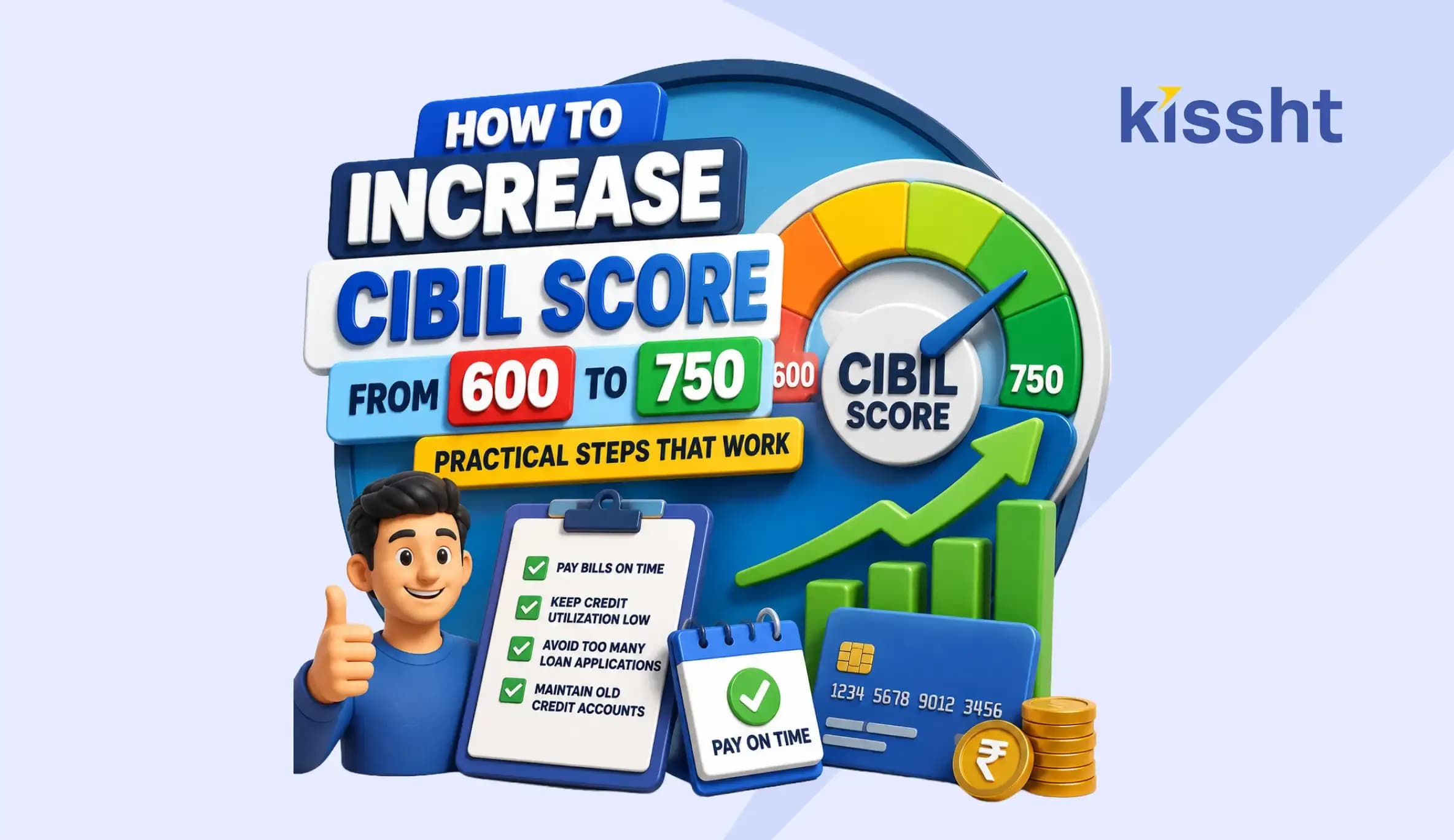
How to Increase CIBIL Score from 600 to 750: Practical Steps That Work

Jun 20, 2026
Credit Score for Women in India: 8 Practical Ways to Improve Your CIBIL Score in 2026
Jun 18, 2026
750 Credit Score: Is It Good or Bad?
Jun 10, 2026
Does Checking Your Credit Score Affect Your CIBIL Score?
Jun 11, 2026
How to Improve Your Credit Score Before Applying for a Loan
Jun 11, 2026
How to Download Credit Score Report for Free?
Jun 11, 2026
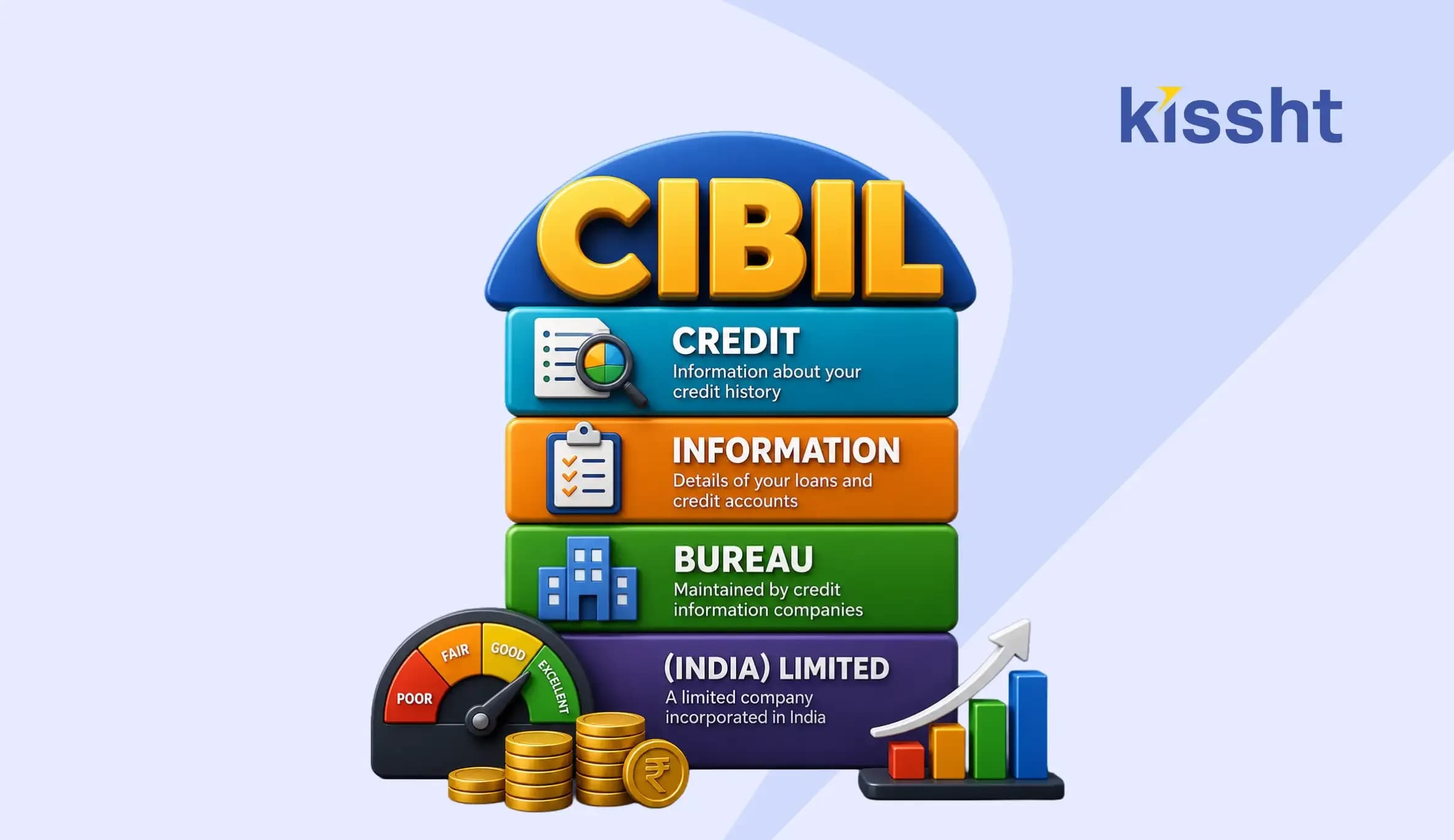
CIBIL Full Form Explained: Everything You Need To Know
May 26, 2026
फ्री में CIBIL स्कोर कैसे चेक करें
May 25, 2026
Minimum Credit Score Required for a Personal Loan
Apr 19, 2026
Credit Card Without CIBIL Score: How to Apply & Best Options in India
Apr 19, 2026

