How to Increase CIBIL Score from 600 to 750: Practical Steps That Work
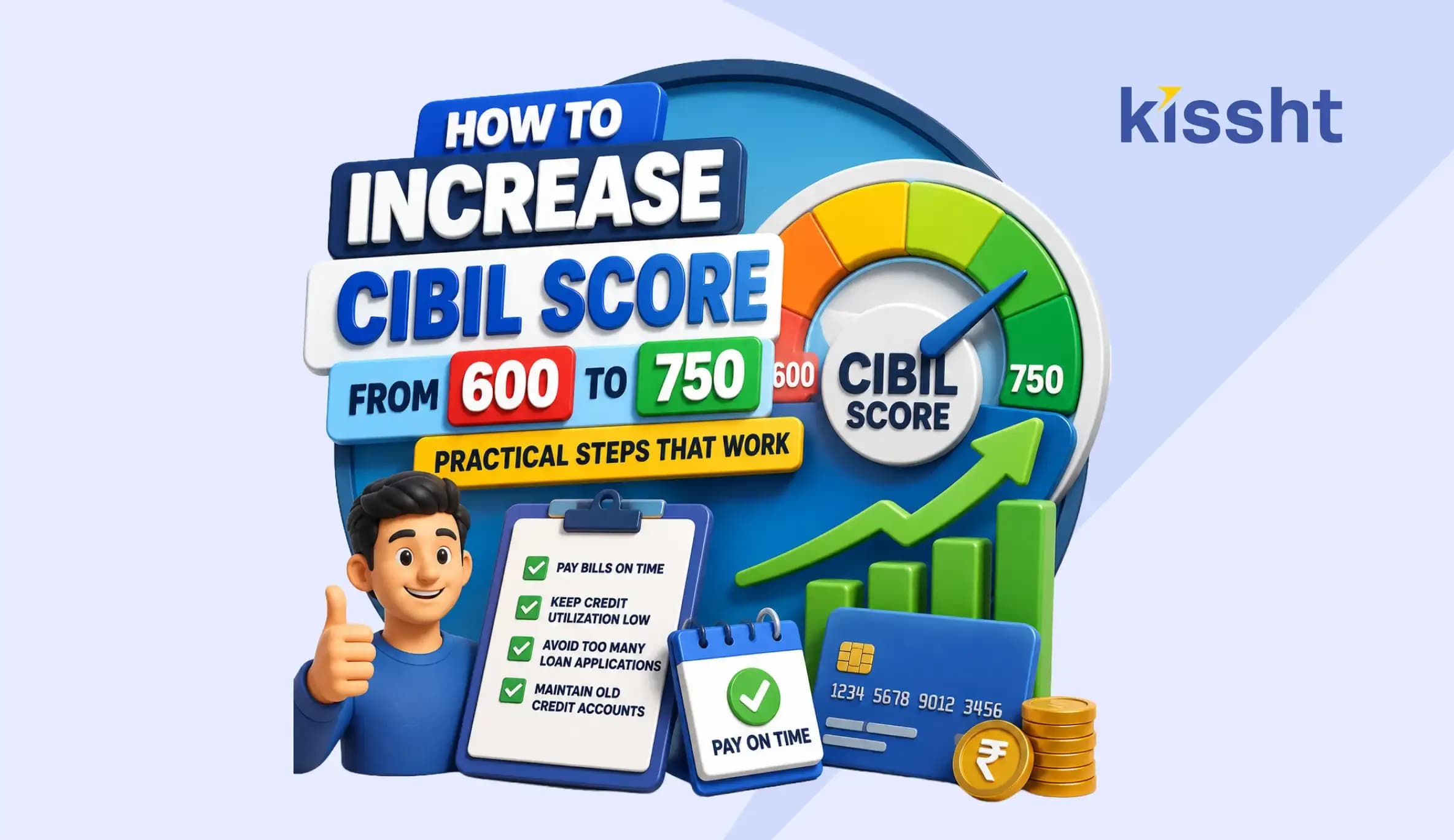
If your loan application has been rejected or you’ve received higher interest rates, your credit profile likely needs some work. Many people find it challenging on how to increase CIBIL score, especially when it hovers around 600. The good news is that improving your score from 600 to 750 is possible with the right habits and a bit of discipline.
In this guide, we’ll break down how to increase cibil score from 600 to 750 using practical, proven steps that actually work in real life.
Why Your CIBIL Score Matters More Than You Think
Your cibil score plays a crucial role in your financial life. Whether you're applying for a credit card or a personal loan, lenders use this number to evaluate how reliable you are as a borrower.
A higher score can help you:
- Get quicker approvals
- Access lower interest rates
- Increase your borrowing capacity
- Improve eligibility for an instant personal loan
Understanding Where You Stand
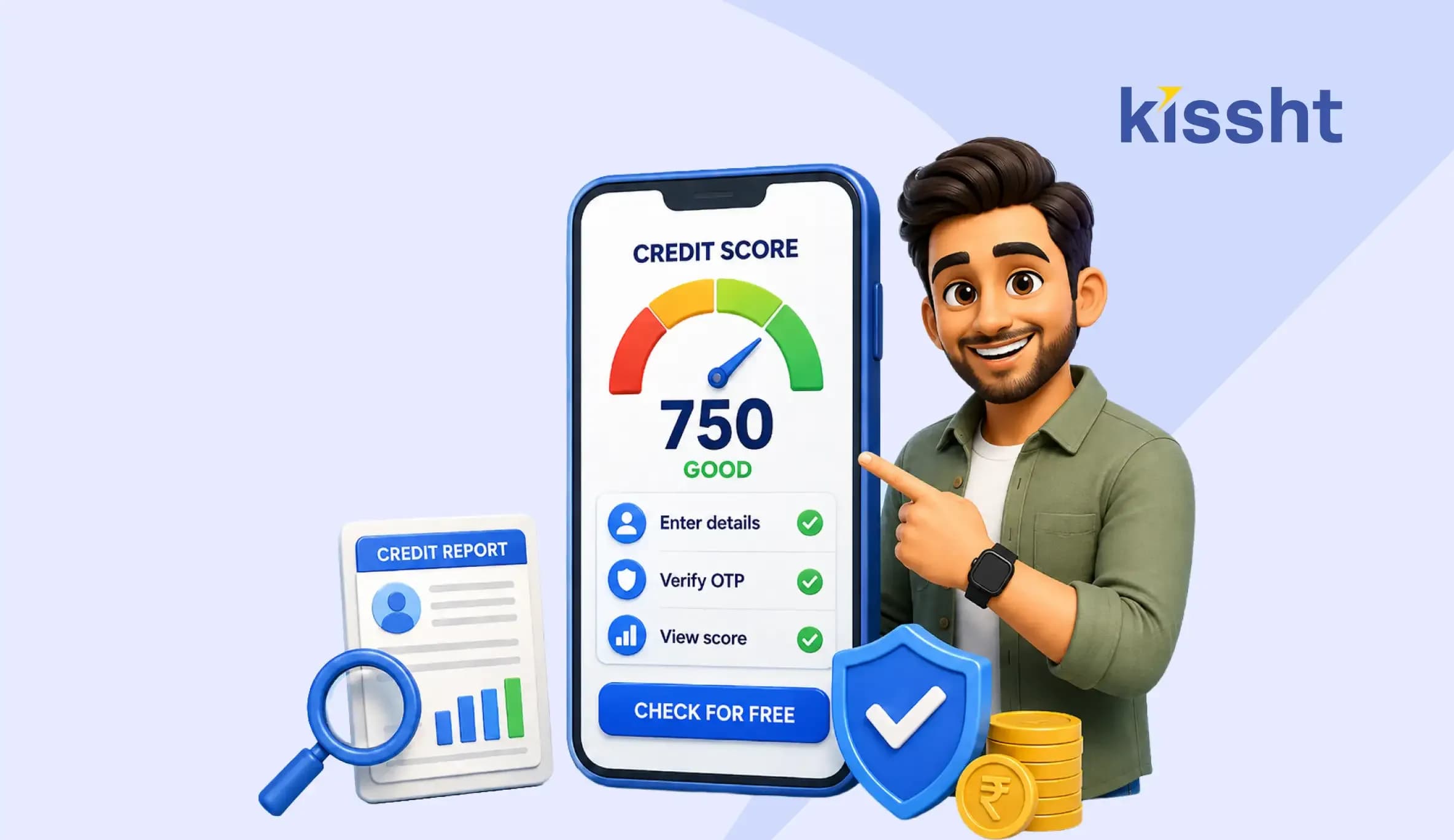
Before making improvements, you need to understand your current situation. A quick CIBIL score check helps you see what is lowering your score and what is helping it. You can use platforms like Kissht, which also provide a free credit score check . This makes it easy to track your progress regularly without any hassle.
How to Increase CIBIL Score: Key Factors That Matter
If you're serious about learning how to increase CIBIL score, you need to understand the key factors that directly influence it. Each of these plays an important role, and improving all of them together creates the biggest impact.
1. Payment History
Your payment history is the most important factor that affects your score. Even one missed payment can remain on your credit report for months and significantly lower your score. Lenders see consistent repayments as a sign of financial responsibility.
To improve this:
- Always pay EMIs and credit card bills before the due date
- Set up auto-pay or reminders to avoid missing deadlines
- Clear any past overdue amounts as soon as possible
Consistently maintaining a clean payment record over time can steadily boost your score.
2. Credit Utilization Ratio
This refers to how much of your available credit limit you are using. A high utilization ratio indicates that you may be over-dependent on credit, which can negatively affect your profile.
To manage this better:
- Try to keep your usage below 30% of your total limit
- Spread expenses across multiple cards if needed
- Avoid maxing out your credit card frequently
Lower utilization signals better credit management and improves lender confidence.
3. Credit Mix
Having a healthy mix of secured and unsecured credit shows lenders that you can handle different types of financial obligations responsibly. Relying too heavily on just one type of credit may not reflect a balanced profile.
To improve your credit mix:
- Maintain a balance between credit cards and loans
- Avoid taking unnecessary loans just to diversify
- Focus on managing existing credit responsibly
A well-balanced credit portfolio contributes positively to your overall profile.
4. Length of Credit History
The age of your credit accounts matters because it reflects your long-term financial behavior. Older accounts show stability and experience in handling credit.
To strengthen this factor:
- Keep your oldest credit card active, even with minimal usage
- Avoid closing old accounts unless absolutely necessary
- Build a long-term track record of responsible usage
The longer your credit history, the more trustworthy you appear to lenders.
5. New Credit Inquiries
Every time you apply for credit, lenders perform a hard inquiry, which can slightly reduce your score. Multiple applications in a short period can signal financial stress.
To manage this:
- Avoid applying for multiple loans at once
- Research eligibility before applying
- Be cautious when using an instant loan app frequently
Limiting unnecessary inquiries helps maintain a stable score.
How to Increase CIBIL Score from 600 to 750: Step-by-Step Plan
If your score is currently low, following a structured plan is the best way to understand how to increase cibil score from 600 to 750 effectively.
Step 1: Clear All Outstanding Dues
Start by identifying and clearing any pending EMIs or credit card dues. Even small unpaid amounts can negatively affect your score. Paying off outstanding balances shows lenders that you are taking responsibility for past credit behavior.
Step 2: Reduce Your Credit Utilization
Work on lowering your credit card usage gradually. Instead of making large purchases, break them into smaller, manageable amounts. This helps bring down your utilization ratio and improves your credit profile over time.
Step 3: Avoid Taking New Credit Immediately
While it may be tempting to apply for new credit, especially when funds are needed, it’s better to pause. Give your profile a few months to stabilize before applying for any new credit products.
Step 4: Build Positive Credit Behavior
Use your existing credit wisely. Make small transactions and repay them on time. This creates a pattern of responsible behavior, which gradually improves your score and builds lender trust.
Step 5: Track Your Progress Regularly
Monitoring your score helps you stay informed and motivated. Regular checks allow you to spot improvements and correct any errors early, ensuring steady progress toward your goal.
Quick Comparison: Poor vs Healthy Credit Behavior
| Factor | Poor Practice | Good Practice |
|---|---|---|
| Payment History | Missed or delayed payments | Consistent on-time payments |
| Credit Utilisation | Using more than 50% of the available limit | Keeping usage below 30% |
| Loan Applications | Making frequent applications | Making limited and planned applications |
| Credit History Length | Closing old accounts unnecessarily | Keeping suitable old accounts active |
| Monitoring | Rarely checking the credit score or report | Regularly tracking the credit score and report |
Smart Credit Habits That Make a Difference
Improving your cibil score is about building sustainable habits:
- Pay more than the minimum due whenever possible
- Keep your credit usage controlled and intentional
- Avoid becoming a guarantor unless necessary
- Review your credit report periodically for errors
How Platforms Like Kissht Can Help
Managing your credit becomes easier when you have the right tools. Kissht allows users to stay on top of their credit health while also offering financial solutions when needed.
With features like a free credit score check, you can track improvements and make informed financial decisions with confidence.
Conclusion: Take Control of Your Credit Journey
Improving your credit profile requires patience and consistency. If you’ve been trying to understand how to increase CIBIL score, the key lies in responsible usage, timely repayments, and regular monitoring.
By following these practical steps and staying disciplined, you’ll not only learn how to increase CIBIL score effectively but also move closer to your goal of financial stability. Start today, stay consistent, and reaching 750 will be well within your reach.
FAQs
1. How long does it take to improve a CIBIL score from 600 to 750?
Improving your score from 600 to 750 usually takes anywhere between 4 to 12 months. The exact timeline depends on how consistently you follow good credit habits like timely repayments, low credit utilization, and avoiding unnecessary loan applications. If you clear outstanding dues quickly and maintain discipline, you may start seeing visible improvements within the first few months.
2. Can I improve my score without taking a loan?
Yes, you can improve your score without taking a loan. Responsible use of a credit card is often enough to build a strong repayment history. By making small purchases and paying the full bill on time every month, you demonstrate reliability to lenders, which helps improve your credit profile gradually.
3. Does checking my score frequently affect it?
No, checking your own credit score does not affect it. This is considered a soft inquiry and has no impact on your overall score. In fact, regularly monitoring your score is a smart practice, as it helps you stay aware of changes, track progress, and identify any discrepancies early.
4. Is it possible to get a loan with a 600 score?
Yes, it is possible to get a loan with a 600 score, but your options may be limited. Lenders may offer lower loan amounts or charge higher interest rates due to the higher risk involved. Improving your score before applying can help you secure better terms and increase your chances of approval.
5. What is the fastest way to improve a low CIBIL score?
The fastest way to improve a low score is by clearing overdue payments and reducing your credit utilization. Paying all EMIs and credit card bills on time, avoiding new credit applications, and maintaining a balanced credit profile can lead to noticeable improvements in a relatively short period. Consistency is key to achieving long-term results.





Instant Loans at Your Fingertips
Apply nowPersonal Loan
Fast, hassle-free loan for your personal needs.

Business Loan
Fuel your business growth with quick approvals.

Loan Against Property
Unlock your property’s value with ease.

Credit Pulse
Boost your credit score with smart insights.

Track your credit score
Simply enter your mobile number to get a quick overview of your credit score.
Check Now
Related articles
Jul 18, 2026
Does Increasing Your Credit Limit Impact Your Credit Score?

Jun 20, 2026
Credit Score for Women in India: 8 Practical Ways to Improve Your CIBIL Score in 2026
Jun 18, 2026
750 Credit Score: Is It Good or Bad?
Jun 10, 2026
Does Checking Your Credit Score Affect Your CIBIL Score?
Jun 11, 2026
How to Improve Your Credit Score Before Applying for a Loan
Jun 11, 2026
How to Download Credit Score Report for Free?
Jun 11, 2026
CIBIL Full Form Explained: Everything You Need To Know
May 26, 2026
फ्री में CIBIL स्कोर कैसे चेक करें
May 25, 2026
Minimum Credit Score Required for a Personal Loan
Apr 19, 2026
Credit Card Without CIBIL Score: How to Apply & Best Options in India
Apr 19, 2026
How to Increase Credit Card Limit: A Complete Step-by-Step Guide
Feb 23, 2026

