Money Saving Tips - List of Ways to Save Money Every Month
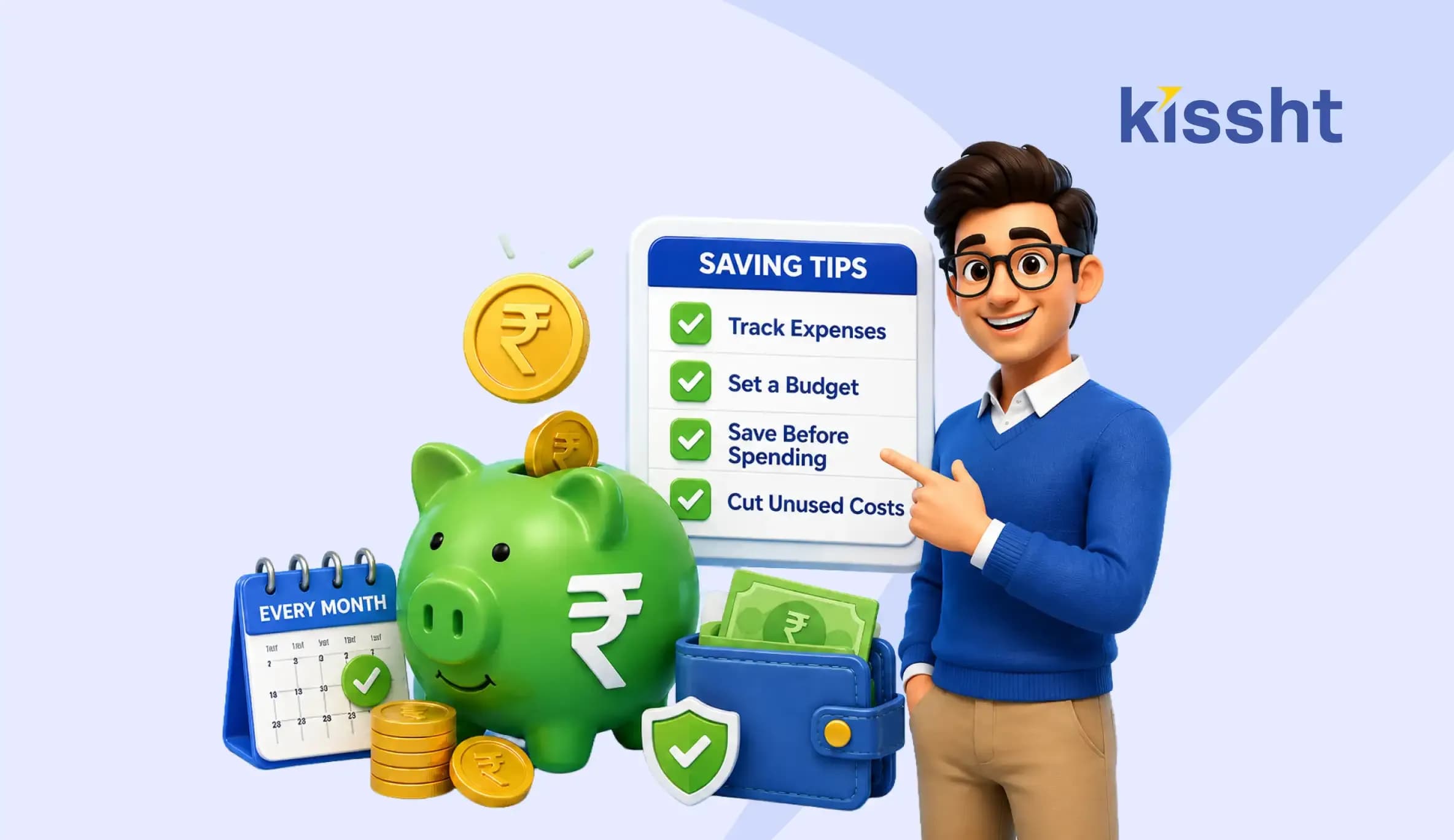
Saving money every month is one of the most important habits for long-term financial stability. Whether the goal is building an emergency fund, planning a vacation, preparing for retirement, or simply managing monthly expenses better, disciplined savings can create stronger financial security over time.
In today’s rising-cost environment, understanding how to save money effectively has become essential for salaried individuals, families, young professionals, and business owners alike. Small financial decisions made consistently often have a bigger impact than large one-time changes.
Why Saving Money Every Month Matters
Monthly savings help individuals stay financially prepared for both planned and unexpected situations. Medical expenses, travel costs, home repairs, job transitions, or education expenses can arise at any time. Having savings reduces dependence on borrowing during such situations and provides better financial confidence.
Regular saving also improves spending discipline and supports long-term wealth creation. Even modest monthly savings can grow significantly when maintained consistently over several years.
- Track Your Monthly Expenses
One of the most effective ways to save money is understanding exactly where your income is being spent. Many people underestimate how much they spend on food delivery, subscriptions, shopping, or entertainment every month.
Tracking expenses creates better visibility into spending habits. Once unnecessary expenses become visible, budgeting decisions become easier and more practical.
- Create a Monthly Budget
A proper budget helps control spending and improve financial planning. Budgeting does not mean avoiding all enjoyment or limiting every purchase. Instead, it helps allocate money more efficiently across essential expenses, savings, investments, and lifestyle spending.
Among the best ways to save money, budgeting remains one of the most effective methods because it helps prevent overspending and encourages financial discipline.
- Reduce Impulse Purchases
Impulse buying is a big reason monthly expenses increase unnecessarily. Online shopping platforms, festive sales, and instant payment options often encourage unplanned purchases.
Before buying non-essential products, it is helpful to pause and evaluate whether the purchase is genuinely necessary. Delaying purchases by even a day or two can reduce unnecessary spending significantly. This is one of the simplest yet most effective money-saving tips for improving monthly finances.
- Build an Emergency Fund
Emergency savings are important because unexpected expenses rarely arrive with advance notice. Medical emergencies, urgent travel, temporary income disruptions, or home repairs can create financial pressure quickly.
An emergency fund acts as a financial safety cushion and helps avoid dependence on high-cost borrowing during difficult situations. Financial experts generally recommend maintaining savings equal to at least three to six months of essential expenses.
- Cook More Meals at Home
Frequent dining out and food delivery expenses can consume a huge part of the monthly income. Preparing meals at home reduces spending and also improves awareness of daily expenses.
Even reducing restaurant spending a few times every month can improve savings considerably over time. For many households, this remains one of the most practical money-saving ideas that delivers visible monthly results.
- Cancel Unused Subscriptions
Many people continue paying for streaming platforms, gym memberships, premium applications, or digital services they rarely use. These recurring expenses may seem small individually, but they can add up significantly across the year.
Reviewing subscriptions regularly and removing unnecessary services can improve monthly savings without affecting overall lifestyle quality too much.
- Avoid High-Interest Debt
Managing debt carefully is an important part of financial planning. Delayed credit card payments or excessive borrowing can increase financial pressure because of interest charges and penalties.
Paying EMIs and credit card debt on time improves financial health and supports better credit scores. Responsible borrowing and repayment behaviour remain among the most valuable personal finance tips for long-term financial stability.
- Automate Your Savings
Saving becomes more consistent when it is automated. Setting up automatic transfers to an investment or a savings account immediately after salary credit reduces the temptation to spend surplus funds unnecessarily.
Automation helps individuals maintain discipline and gradually build savings without relying entirely on manual decisions every month.
- Compare Prices Before Making Purchases
Comparing prices before buying products or services can lead to meaningful savings over time. Whether purchasing electronics, groceries, travel tickets, or insurance, spending a few additional minutes comparing prices can help avoid overspending.
This habit also encourages smarter consumption and improves long-term budgeting efficiency.
- Focus on Long-Term Financial Habits
People often search for how to save money fast, but sustainable financial improvement usually comes from consistent habits rather than temporary restrictions.
Building long-term financial discipline through budgeting, saving regularly, reducing unnecessary spending, and managing debt responsibly creates stronger financial security over time. Small monthly improvements often produce significant results in the long run.
The Role of Loans in Financial Planning
Savings are important, but there may still be situations where individuals require additional financial support for planned or urgent expenses. In such cases, borrowers should evaluate repayment affordability carefully before applying for credit.
Many individuals use a loan EMI calculator to estimate monthly repayment obligations and understand overall borrowing costs before taking a loan.
Today, digital borrowing has become more accessible through instant loan apps. Borrowers often compare lenders, repayment flexibility, and processing speed before selecting the best loan provider for their financial requirements.
However, loans should ideally support financial planning rather than replace disciplined savings habits.
Common Money Saving Mistakes to Avoid
| Mistake | Financial Impact |
|---|---|
| Ignoring budgeting | Uncontrolled spending |
| Delaying savings | Poor emergency preparedness |
| Impulse shopping | Reduced monthly savings |
| Excessive debt usage | Higher financial burden |
| Missing bill payments | Penalties and a lower credit score |
Avoiding these habits can help strengthen financial stability and improve monthly savings potential.
Final Thoughts
Saving money every month is less about making extreme sacrifices and more about building consistent financial habits. Careful budgeting, disciplined spending, and regular savings can gradually create stronger financial stability and reduce future financial stress.
Over time, even small improvements in money management can contribute significantly toward long-term financial confidence and security.
FAQs
Q1. What are the best ways to save money every month?
Some of the best ways to save money include budgeting, reducing unnecessary spending, tracking expenses regularly, avoiding impulse purchases, and maintaining disciplined monthly savings habits.
Q2. How can I save money fast?
If you want to understand how to save money fast, focus on reducing non-essential expenses, limiting online shopping, increasing savings contributions, and avoiding unnecessary subscriptions or lifestyle spending temporarily.
Q3. Why are money-saving habits important?
Strong savings habits improve financial security, reduce dependence on debt, help manage emergencies better, and support future financial goals such as education, travel, retirement, or home ownership.
Q4. How does a loan EMI calculator help borrowers?
A loan EMI calculator helps borrowers estimate monthly installments, repayment tenure, and total interest outflow before applying for a loan, making financial planning more effective.
Q5. Are instant loan apps useful during emergencies?
An instant loan app may help eligible borrowers access funds quickly during urgent situations. However, borrowers should always evaluate their repayment ability before taking any loan.



Instant Loans at Your Fingertips
Apply nowPersonal Loan
Fast, hassle-free loan for your personal needs.

Business Loan
Fuel your business growth with quick approvals.

Loan Against Property
Unlock your property’s value with ease.

Credit Pulse
Boost your credit score with smart insights.

Track your credit score
Simply enter your mobile number to get a quick overview of your credit score.
Check Now
Related articles

Aug 10th 2026
Janmashtami 2026: Date, Time, Significance and Celebrations in India
Aug 10, 2026
Independence Day Special: 10 Smart Money Habits to Build Financial Freedom
Jul 23, 2026
What Is the Difference? MSME Loan vs Business Loan

Jul 22, 2026
EPF New Rules 2026 Explained: Withdrawal, Contribution, Wage Ceiling & Key Changes

Jul 20, 2026
How to Check EPFO Pension Status Online Using PPO Number (2026)
Jul 21, 2026
Top Reasons for MSME Loan Rejection
Jul 20, 2026
Documents Required for GST Registration
Jul 20, 2026
Best Laptop for College Students in India: Complete Buying Guide 2026
Jul 16, 2026
How to Check FASTag Balance Online: Vehicle Number, App, SMS & Missed Call (2026)

Jul 8, 2026
Ray-Ban Meta Glasses Price in India 2026: Features and Review
Jul 10, 2026
List of Best Mileage Bikes in India (2026)

Jul 16, 2026

