Gross
Definition:
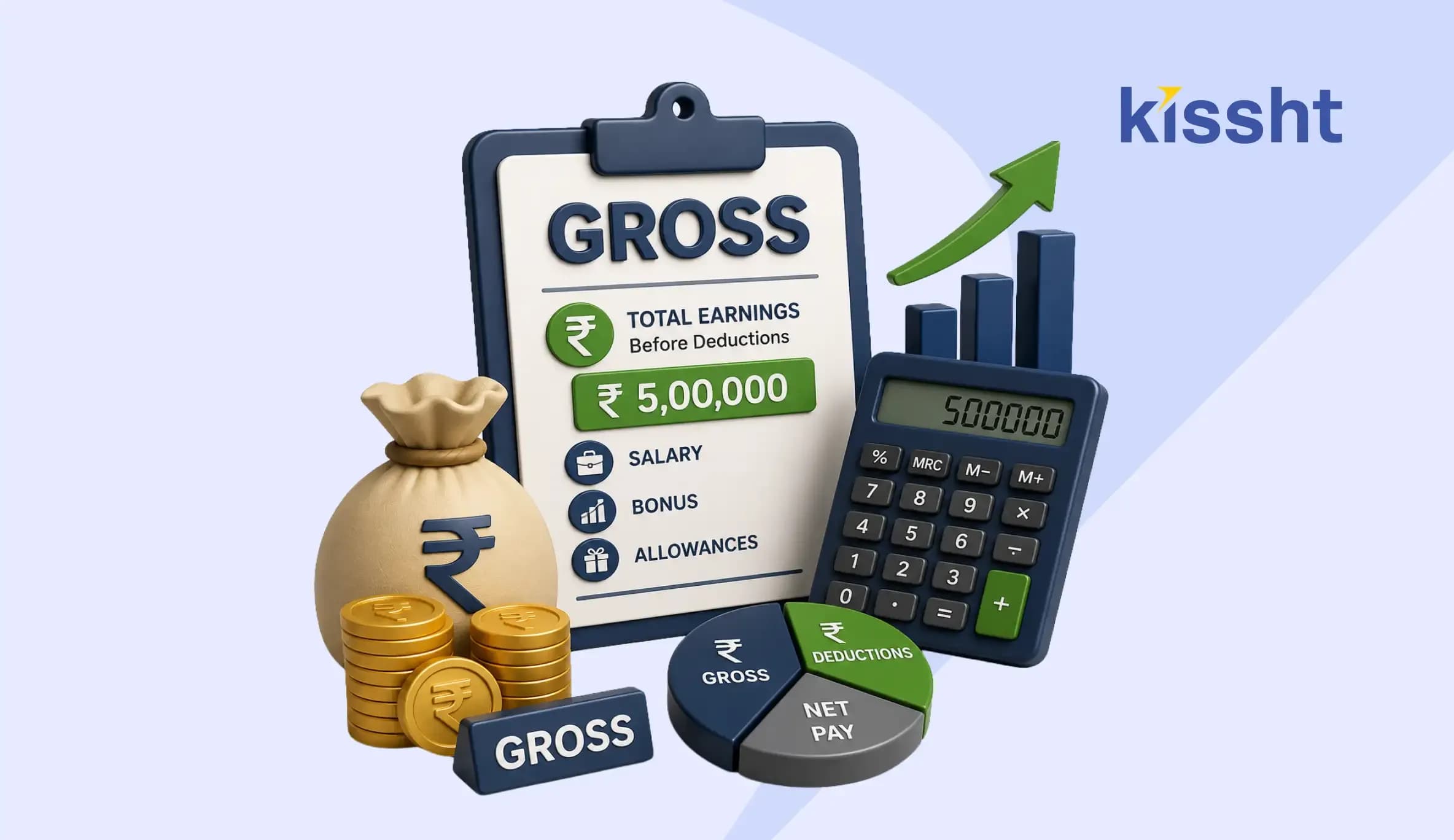
Gross refers to the total amount earned before deductions such as taxes, insurance, or other charges. It is commonly used when calculating income.
What is Gross?
In simple terms, gross is the original or complete amount before reductions. It represents the full value of income, sales, earnings, or payments before considering costs or deductions.
For example, if an employee earns a monthly salary of Rs 60,000 before deductions, this amount is called the gross salary. After deducting items like income tax, employee provident fund (EPF), and other contributions, the remaining amount is called the net salary or take-home salary.
The term gross is commonly used in areas such as:
- Gross salary: Total salary before deductions.
- Gross income: Total earnings before expenses or taxes.
- Gross profit: Revenue earned after subtracting the cost of goods sold but before other expenses.
- Gross amount: The total value before any reductions.
Understanding gross values helps individuals and businesses evaluate their actual earnings and financial position.
How Does Gross Work?
The concept of gross depends on calculating the total amount before applying any deductions or expenses. The process generally follows these steps:
- Identify the total earnings or amount
The first step is to find the complete amount received or earned. This could include salary, sales revenue, incentives, bonuses, or other sources of income.
- Exclude deductions or expenses
Gross calculation does not consider deductions such as taxes, loan payments, operational costs, or other reductions.
- Calculate the final amount after deductions
Once deductions are removed from the gross amount, the remaining value represents the net amount.
For example:
- Gross salary: Rs 70,000 per month
- EPF contribution: Rs 5,000
- Income tax deduction: Rs 3,000
Net salary = Rs 70,000 - Rs 8,000 = Rs 62,000
Here, Rs 70,000 is the gross salary, while Rs 62,000 is the amount received after deductions.
Why is Gross Important?
Understanding gross amounts is useful because it gives a complete view of earnings or financial value before adjustments. It helps individuals and businesses in several ways:
- Better financial planning: Knowing gross income helps people estimate their overall earning capacity before budgeting expenses.
- Understanding salary structure: Employees can compare job offers more accurately by checking gross salary components instead of only looking at take-home pay.
- Loan and credit assessment: Lenders may consider gross income along with other financial details while evaluating repayment capacity. However, borrowers should also consider their actual take-home income before taking credit.
- Business evaluation: Companies use gross figures to understand revenue, production costs, and profitability.
- Clear financial decisions: Understanding gross and net values prevents confusion when reviewing financial statements, payslips, or agreements.
Example of Gross
Suppose Rahul works at a company with a monthly salary package of Rs 80,000.
His salary details are:
- Basic salary: Rs 40,000
- Allowances: Rs 30,000
- Bonus component: Rs 10,000
His gross salary is:
Rs 40,000 + Rs 30,000 + Rs 10,000 = Rs 80,000
However, after deductions:
- EPF contribution: Rs 4,800
- Professional tax: Rs 200
- Income tax: Rs 2,000
His take-home salary becomes:
Rs 80,000 - Rs 7,000 = Rs 73,000
In this example, Rs 80,000 is the gross salary, while Rs 73,000 is the net salary received.
Similarly, for a small business, if a shop earns Rs 5 lakh from sales but spends Rs 2 lakh on purchasing goods, the remaining Rs 3 lakh is considered gross profit before other expenses like rent, salaries, and electricity costs are deducted.
Things to Consider
While understanding gross amounts is important, there are a few things consumers should keep in mind:
- Gross does not mean final income: A higher gross amount does not always mean higher money available for spending. Always check deductions to understand your actual earnings.
- Review salary components carefully: Some salary packages may include bonuses or benefits that are not immediately received as cash.
- Consider net income for budgeting: When planning monthly expenses, use your take-home income rather than your gross salary.
- Understand financial commitments: Before applying for loans or credit facilities, evaluate your repayment ability based on your actual disposable income.
Avoid confusion between gross and net: These terms represent different stages of financial calculation and should not be used interchangeably.
Conclusion
Understanding Gross is important for managing personal finances, evaluating income, and making informed financial decisions. It represents the complete amount before deductions or expenses are applied, while the remaining amount after adjustments is considered net income. Whether you are reviewing a salary slip, planning a budget, or assessing financial commitments, knowing the difference between gross and net values can help you understand your true financial position better. A clear understanding of gross figures allows you to make more practical and responsible money decisions.
FAQs
What is the difference between gross and net income?
Gross income is the total amount earned before deductions, while net income is the amount remaining after deductions such as taxes, expenses, or other payments.
Is gross salary the same as take-home salary?
No, gross salary is the total salary offered before deductions. Take-home salary is the amount credited to your account after deductions.
Why is gross income important for loans?
Gross income helps lenders understand an applicant’s earning capacity. However, borrowers should also consider their monthly expenses and net income before taking any loan.
How is gross profit different from net profit?
Gross profit is calculated after subtracting the cost of goods sold from revenue. Net profit is the amount left after deducting all expenses, including operating costs, taxes, and other charges.
Related Terms

Instant Loans at Your Fingertips
Apply nowPersonal Loan
Fast, hassle-free loan for your personal needs.

Business Loan
Fuel your business growth with quick approvals.

Loan Against Property
Unlock your property’s value with ease.

Credit Pulse
Boost your credit score with smart insights.

Track your credit score
Simply enter your mobile number to get a quick overview of your credit score.
Check Now