Credit Card
Definition:
A credit card lets you borrow money to make purchases up to a fixed limit. You repay the amount later as per the billing cycle.
What is a Credit Card?
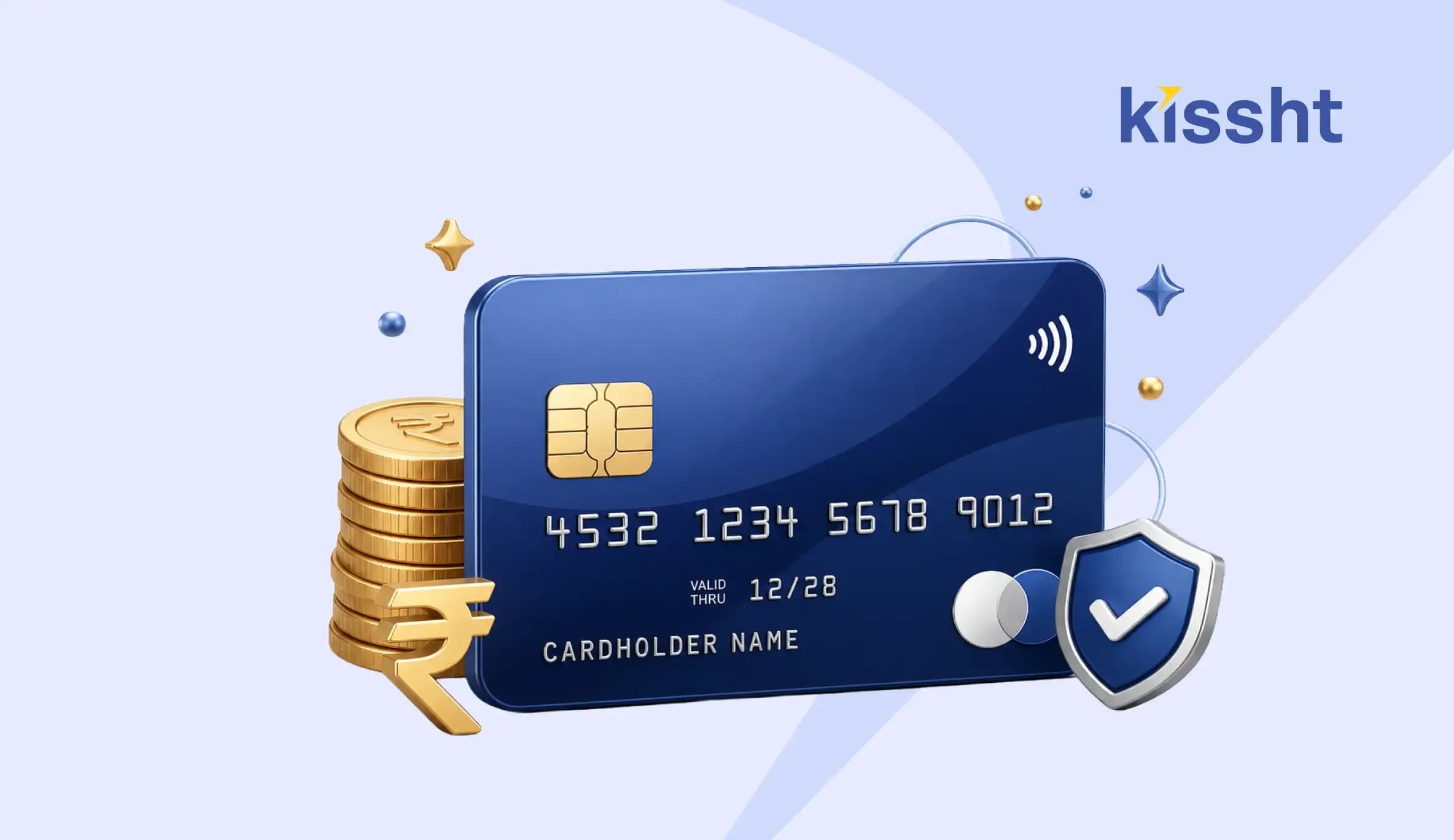
A credit card is a payment instrument that lets you borrow money from an authorised issuer up to a fixed limit.
Unlike a debit card, which uses money available in your bank account, a credit card uses a credit line. You can use it for purchases, bill payments and, where allowed, cash withdrawals.
The card issuer provides a statement for each billing cycle. This statement usually shows your transactions, total amount due, minimum amount due and payment due date.
How Does a Credit Card Work?
A credit card generally works through the following steps:
- A credit limit is assigned
The issuer sets the maximum amount you can use based on factors such as your income, repayment capacity and credit profile.
- You make a purchase
Suppose you have a credit limit of ₹50,000 and spend ₹5,000. Your available limit will reduce to ₹45,000.
- A statement is generated
At the end of the billing cycle, the issuer generates a statement listing purchases, refunds, payments, fees and other transactions.
- You pay the bill
You can pay the total amount due, the minimum amount due or any amount between the two.
- Your available limit is restored
Once your payment is credited, that portion of your credit limit becomes available again.
Paying the total amount due by the due date is generally the safest approach. According to RBI guidance, if the total amount due is not cleared, the interest-free credit period may be lost and interest may be charged on the outstanding amount under the issuer’s terms.
Why is a Credit Card Important?
When used carefully, a credit card can provide several practical benefits:
- Convenient payments: It can be used for shopping, travel bookings, subscriptions, utility bills and urgent expenses.
- Short repayment window: Purchases may receive an interest-free period when the full bill is paid on time, subject to the card’s terms.
- Clear spending records: Monthly statements can help you track and review expenses.
- Credit history: Your payment behaviour, outstanding balances and use of credit may form part of your overall credit profile.
These benefits are useful only when your spending remains within your repayment capacity.
Example of a Credit Card
Priya has a credit card with a limit of ₹60,000. During one billing cycle, she spends ₹12,000 on groceries, utility bills and a phone repair. Her statement shows:
- Total amount due: ₹12,000
- Minimum amount due: ₹600
- Payment due date: 20 August
If Priya pays the full ₹12,000 by the due date, she avoids carrying the purchase balance into the next billing cycle, subject to the card’s terms. If she pays only ₹600, the remaining balance continues into the next cycle. Interest and applicable charges may then be added. Repeatedly paying only the minimum amount can make repayment slower and more expensive.
Things to Consider Before Using a Credit Card
Consider the following points before applying for or using a card:
- Check the joining fee, annual fee, interest rate and late-payment charges.
- Understand the charges for withdrawing cash using the card.
- Choose a credit limit that suits your income and monthly budget.
- Set payment reminders or automatic payment instructions.
- Review every monthly statement carefully.
- Report unfamiliar or unauthorised transactions immediately.
- Never share your PIN, OTP, CVV or card details with anyone.
- Avoid using one credit source to repay another without a clear repayment plan.
Responsible Credit Use and Consumer Awareness
Treat every credit card transaction as borrowing. Spend only what you can comfortably repay from your expected income, preferably in full by the due date.
Paying only the minimum amount does not clear the entire debt. The remaining balance may continue to attract interest. RBI rules require card issuers to clearly explain the consequences of making only minimum payments.
Whether you learn about credit through a bank, card issuer or financial platform such as Kissht, always verify the card’s Most Important Terms and Conditions before applying or spending.
Conclusion
A credit card can be a useful payment and short-term credit tool, but it requires financial discipline. Understand the billing cycle, review all applicable charges, monitor transactions and repay the total amount due whenever possible.
The most important rule is simple: use a credit card for planned and manageable expenses, not as an extension of your income. Responsible use can offer convenience and support healthy credit habits, while careless use can result in expensive and difficult-to-manage debt.
FAQs
Is a credit card the same as a debit card?
No. A debit card uses money available in your bank account. A credit card uses funds borrowed from the card issuer, which must be repaid.
What happens if I pay only the minimum amount due?
The remaining balance is carried forward. Interest and applicable charges may continue, increasing the total cost and repayment period.
Can a credit card affect my credit score?
Yes. Your payment history, outstanding balances and overall credit behaviour may influence your credit profile. Paying bills on time and keeping balances manageable are generally healthier credit practices.
Can I withdraw cash using a credit card?
Many credit cards allow cash withdrawals. However, fees and interest may apply differently from regular purchases. Check the issuer’s applicable terms before withdrawing cash.
Related Terms

Instant Loans at Your Fingertips
Apply nowPersonal Loan
Fast, hassle-free loan for your personal needs.

Business Loan
Fuel your business growth with quick approvals.

Loan Against Property
Unlock your property’s value with ease.

Credit Pulse
Boost your credit score with smart insights.

Track your credit score
Simply enter your mobile number to get a quick overview of your credit score.
Check Now