Things to Check Before Taking a Used Car
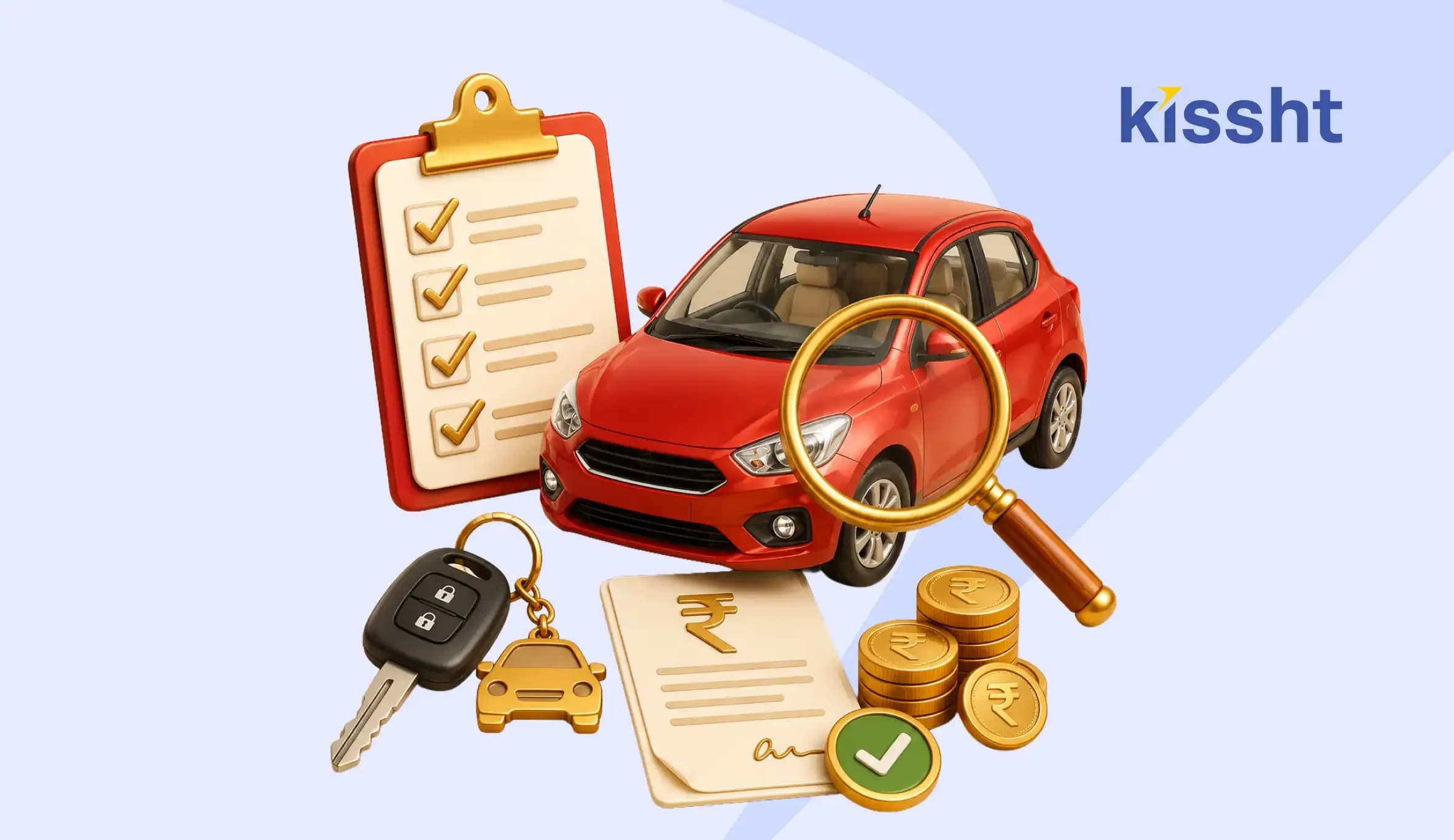
Buying a used car has become a practical choice for many individuals looking for affordability, lower depreciation costs, and better value within a limited budget. A pre-owned vehicle can often provide the same utility and comfort as a new car while reducing the overall purchase cost significantly. However, financing a used car requires careful evaluation because the condition of the vehicle and the loan structure both affect long-term expenses.
Understanding how to buy a used car properly is important before applying for financing. A careful approach helps buyers avoid hidden repair costs, documentation issues, and repayment stress later.
1. Understand the Total Cost of Ownership
Many buyers focus only on the car’s purchase price while ignoring additional expenses that come with ownership. A used car may require insurance renewal, servicing, tyre replacement, battery changes, or repairs soon after purchase.
A used car purchase guide should include an evaluation of the total ownership cost rather than just the vehicle price. Calculating these expenses in advance helps buyers plan their finances better and avoid unexpected financial pressure later.
2. Check the Vehicle Condition Carefully
One of the most important things to check before buying a used car is the overall condition of the vehicle. Exterior appearance alone does not provide a complete picture of the car’s health. Buyers should carefully inspect the engine, suspension, brakes, tyres, interiors, electrical systems, and air conditioning performance.
If possible, getting the car inspected by a trusted mechanic can help identify hidden issues that may result in expensive repairs later. A proper technical inspection is an essential part of every reliable used car inspection checklist.
3. Verify Service and Maintenance History
Service records provide important information about the condition of the vehicle based on the care it received from past owners. A car with regular servicing and documented maintenance generally offers better long-term reliability compared to one with incomplete records.
Buyers should review service invoices, repair history, accident repairs, and replacement records carefully. This helps determine whether the vehicle has been maintained responsibly over the years.
4. Review Ownership and Registration Documents
Document verification is one of the most critical stages when purchasing a used vehicle. Buyers should carefully check the Registration Certificate (RC), insurance papers, pollution certificate, tax receipts, and loan clearance documents before finalising the purchase.
A vehicle with incomplete or disputed paperwork can create legal complications in the future. Proper document verification forms an important part of any trusted second-hand car buying guide.
5. Understand the Loan Interest Rate and Charges
Used car loan interest rates may sometimes be slightly higher compared to new vehicle financing because lenders consider older vehicles relatively riskier assets. Before accepting a loan offer, borrowers should compare interest rates, processing fees, repayment tenure, foreclosure charges, and other loan conditions carefully.
Understanding the total repayment amount is important because a longer loan tenure may reduce EMI burden but increase the total interest cost over time.
6. Calculate EMI Affordability Before Borrowing
Before taking any loan, borrowers should evaluate repayment affordability carefully according to their monthly income and financial obligations. Many applicants use a loan EMI calculator to estimate monthly instalments, repayment tenure, and total interest outflow before applying.
This helps borrowers select a repayment structure that remains manageable without affecting their monthly budgeting and other financial commitments.
7. Check the Vehicle’s Market Value
The asking price of a used vehicle should match its age, condition, mileage, and market demand. Some sellers may quote prices significantly higher than the actual market value.
Researching similar vehicle listings and comparing prices helps buyers negotiate more effectively. Understanding fair market pricing is also an important part of a practical used car checklist.
8. Take a Proper Test Drive
A test drive helps evaluate the vehicle’s actual driving condition. During the drive, buyers should observe steering response, braking performance, gear shifting, engine noise, suspension comfort, and overall handling.
Practical driving experience often reveals issues that may not be visible during a stationary inspection. Skipping the test drive can increase the risk of purchasing a problematic vehicle.
9. Verify Insurance and Accident History
Insurance records can reveal whether the car has previously been involved in major accidents or insurance claims. Vehicles with severe accident history may face structural, safety, or long-term performance issues.
Buyers should also confirm that the insurance policy transfer process can be completed smoothly after purchase.
10. Understand Loan Eligibility Requirements
Lenders generally evaluate several factors before approving a used car loan. These may include applicant income, employment stability, credit profile, vehicle age, and resale value.
Older vehicles may receive lower loan eligibility or shorter repayment tenure. Understanding lender requirements in advance helps improve the chances of smoother loan approval.
11. Compare Multiple Financing Options
Different lenders may offer different interest rates, repayment flexibility, and processing timelines. Comparing multiple financing options allows borrowers to identify better loan terms and reduce borrowing costs.
Today, many borrowers compare financing options through an online loan app because digital platforms often simplify applications and document submission processes.
Digital Lending and Online Loan Apps
Digital lending has made vehicle financing faster and more accessible for many borrowers. Eligible applicants can now apply for financing through an instant loan online platform without visiting multiple branches physically.
Many borrowers also compare lenders based on processing speed, eligibility requirements, and repayment flexibility before selecting the best loan provider for their requirements. Borrowers exploring loans fromKissht can access digital loan solutions through a simplified online process designed for convenience and faster applications.
But borrowers should always evaluate repayment obligations carefully and borrow according to realistic financial capacity.
Common Mistakes Buyers Should Avoid
| Mistake | Possible Impact |
|---|---|
| Skipping vehicle inspection | Hidden repair costs |
| Ignoring ownership history | Legal complications |
| Not comparing loan offers | Higher repayment burden |
| Overlooking insurance status | Additional expenses |
| Choosing unaffordable EMIs | Financial stress |
Final Thoughts
Buying a used car can be a smart decision when approached carefully. Evaluating the vehicle’s condition, ownership history, financing terms, and repayment affordability helps reduce future financial and maintenance risks.
Careful planning, proper inspection, and responsible borrowing decisions can make used car ownership more affordable and financially manageable in the long run.
FAQs
Q1. What are the important things to check before buying a used car?
Important things to check before buying a used car include vehicle condition, service history, ownership documents, insurance records, accident history, and loan clearance status.
Q2. Why is a used car inspection checklist important?
A used car inspection checklist helps buyers evaluate engine condition, suspension, brakes, tyres, electrical systems, and overall vehicle reliability before purchase.
Q3. How does a loan EMI calculator help while buying a used car?
A loan EMI calculator helps borrowers estimate monthly instalments, total repayment amount, and loan affordability before applying for financing.
Q4. Are online loan apps useful for used car financing?
Yes, many borrowers now use an online loan app to compare lenders, upload documents digitally, and access faster loan processing and approvals.
Q5. Why should buyers compare multiple lenders before taking a used car loan?
Comparing lenders helps borrowers evaluate interest rates, repayment flexibility, processing fees, and approval timelines to select better financing options.




Instant Loans at Your Fingertips
Apply nowPersonal Loan
Fast, hassle-free loan for your personal needs.

Business Loan
Fuel your business growth with quick approvals.

Loan Against Property
Unlock your property’s value with ease.

Credit Pulse
Boost your credit score with smart insights.

Track your credit score
Simply enter your mobile number to get a quick overview of your credit score.
Check Now
Related articles
Jun 15, 2026
Same-Day Loans Explained: Meaning, Process, and Benefits

May 26, 2026
Unsecured Business Loan: All You Need to Know

May 24, 2026
What Is a Term Loan? - Meaning, Types & Features
Apr 08, 2026
What Is a Bridge Loan? Meaning, Uses, and How It Works.
April 1, 2026
How to Refinance Student Loans?
Mar 25, 2026
How to Choose the Right Loan Provider: Key Things to Check
Mar 25, 2026
How to Get an Online Loan Without Visiting a Bank

Mar 17, 2026
How Digital Lending Is Changing the Way Small Businesses Get Loans in India

Feb 24, 2026
Loan for Hair Transplant: Everything You Need to Know

Dec 30, 2025
Benefits of Choosing an Online Loan App in India
Dec 30, 2025
From Dreams to Reality: Funding Your Goals with a Personal Loan
Dec 26, 2025

