Pradhan Mantri Awas Yojana Eligibility: Who Can Apply in 2026?

Owning a home remains one of the biggest financial goals for many Indian families. To make affordable housing more accessible, the Indian government launched the initiative called the Pradhan Mantri Awas Yojana (PMAY). The scheme aims to support eligible beneficiaries through housing assistance and interest subsidies on home loans, helping more citizens achieve the dream of owning a house.
Before applying for the scheme, it's important to understand the Pradhan Mantri Awas Yojana eligibility. Knowing who qualifies, the applicable income categories, and the conditions for benefits can help applicants determine whether they're eligible for assistance under PMAY.
What is Pradhan Mantri Awas Yojana (PMAY)?
Pradhan Mantri Awas Yojana is a government housing initiative designed to promote affordable housing across urban and rural India. One of the major benefits offered under the scheme is the CLSS (Credit Linked Subsidy Scheme), which provides interest subsidies on eligible home loans.
The scheme primarily targets economically weaker sections, low-income groups, and middle-income households that do not own a pucca house in their name.
Pradhan Mantri Awas Yojana Eligibility
The PMAY eligibility requirements vary depending on the applicant's income category and housing status. However, certain general conditions apply across categories.
To qualify, the applicant or any family member should generally not own a pucca house anywhere in India. Additionally, the beneficiary should not have previously availed benefits under any central government housing scheme.
These conditions form the foundation of the Pradhan Mantri Awas Yojana eligibility requirements.
Who Can Apply Under PMAY in 2026?
The scheme is open to various categories of beneficiaries.
Eligible applicants generally include:
- Economically Weaker Section (EWS) households
- Low Income Group (LIG) families
- Middle Income Group (MIG-I) households
- Middle Income Group (MIG-II) households
- Eligible beneficiaries from rural housing categories
Applicants must satisfy the applicable income criteria and other conditions specified under the scheme.
Income Limit for PMAY
One of the most important factors determining PMAY eligibility is household income.
The commonly used income categories are:
| Category | Annual Household Income |
|---|---|
| EWS | Up to ₹3 lakh |
| LIG | Above ₹3 lakh and up to ₹6 lakh |
| MIG-I | Above ₹6 lakh and up to ₹12 lakh |
| MIG-II | Above ₹12 lakh and up to ₹18 lakh |
The applicable income limit for PMAY may be revised by the government from time to time. Applicants should verify the latest guidelines before applying.
Eligibility for Home Loan Subsidy Under PMAY
The eligibility for home loan subsidy under PMAY depends on several factors, including income category, property ownership status, and loan purpose.
The subsidy benefit is generally available for:
- Purchase of a new house
- Construction of a new house
- Home extension projects
- House improvement projects (subject to applicable guidelines)
The subsidy amount and maximum loan limits vary according to the beneficiary category.
PMAY Eligibility Check: Important Conditions
A proper PMAY eligibility check should include the following factors:
| Eligibility Factor | Requirement |
|---|---|
| House Ownership | Applicant should not own a pucca house |
| Previous Housing Benefits | No prior benefit under central housing schemes |
| Income Category | Must fall under eligible income brackets |
| Property Usage | Must comply with PMAY guidelines |
| Family Status | Family eligibility must be satisfied |
Reviewing these conditions can help applicants assess their eligibility before starting the application process.
Documents Required for PMAY Application
Applicants may be required to submit various supporting documents while applying.
Commonly required documents include:
- Aadhaar Card
- PAN Card
- Identity Proof
- Address Proof
- Income Documents
- Property Documents
- Bank Account Details
The specific documentation varies based on the category and implementing agency.
How to Check PMAY Eligibility?
Applicants can perform a PMAY eligibility check by reviewing the scheme guidelines and verifying whether they satisfy the required conditions.
The process generally involves:
Step 1:
Determine your annual household income category.
Step 2:
Confirm that neither you nor your family members own a pucca house.
Step 3:
Check whether any housing benefits have been received previously under central government housing schemes.
Step 4:
Review the latest PMAY guidelines applicable to your location and category.
PMAY and Home Financing
Even with government assistance and subsidies, purchasing a home often requires careful financial planning. Many homebuyers evaluate multiple financing options before making a purchase decision.
Some individuals also use a personal loan EMI calculator to estimate repayment obligations for various financial requirements. Today, eligible borrowers may access financing through a personal loan, depending on their needs and eligibility.
Digital platforms such as the Kissht loan app and other instant loan apps provide loan solutions for eligible applicants through a simplified online process. However, borrowing decisions should always be based on repayment capacity and long-term financial planning.
Conclusion
Pradhan Mantri Awas Yojana continues to contribute significantly to enhancing access to affordable housing in India. Understanding the eligibility, income limits, and subsidy conditions can help applicants in figuring out whether they qualify for benefits under the scheme.
Before applying, it is always advisable to review the latest government guidelines and ensure that all eligibility requirements are satisfied.
FAQs
Q1. What is Pradhan Mantri Awas Yojana eligibility?
Pradhan Mantri Awas Yojana eligibility refers to the conditions applicants must satisfy regarding income, house ownership, and previous housing benefits to qualify for PMAY assistance.
Q2. How can I perform a PMAY eligibility check?
A PMAY eligibility check can be done by reviewing your income category, housing ownership status, and compliance with other scheme conditions specified by the government.
Q3. What is the income limit for PMAY?
The income limit for PMAY varies by category. EWS covers income up to ₹3 lakh, LIG up to ₹6 lakh, MIG-I up to ₹12 lakh, and MIG-II up to ₹18 lakh annually.
Q4. Who is eligible for a home loan subsidy under PMAY?
The eligibility for home loan subsidy under PMAY generally depends on income category, ownership of a pucca house, and compliance with the scheme's housing requirements.
Q5. Can middle-income families apply for PMAY?
Yes. Eligible households under the MIG-I and MIG-II categories may qualify for benefits under the scheme, subject to applicable government guidelines.




Instant Loans at Your Fingertips


Personal Loan
Fast, hassle-free loan for your personal needs.

Business Loan
Fuel your business growth with quick approvals.

Loan Against Property
Unlock your property’s value with ease.

Credit Pulse
Boost your credit score with smart insights.

Track your credit score
Simply enter your mobile number to get a quick overview of your credit score.
Check Now
Related articles
Jun 6, 2026
Top safest cars in India: 5-Star NCAP Rated Models
Jun 9, 2026
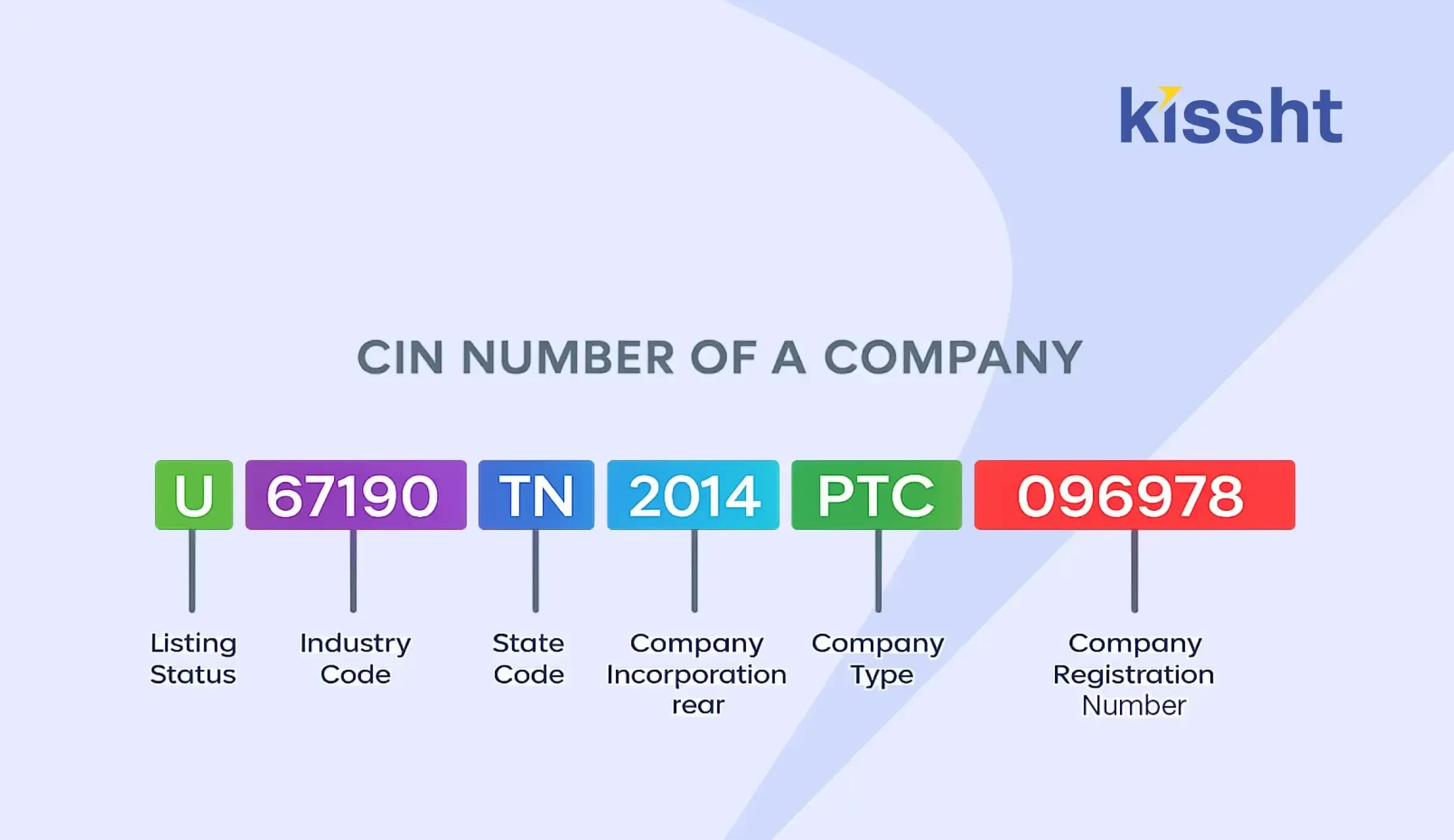
What Is CIN (Corporate Identification Number)
May 22, 2026
Learners Licence Test Questions and Answers 2026

Jun 8, 2026
What to Gift Your Father on Father's Day 2026: Thoughtful Gift Ideas for Every Budget
Feb 23, 2026
How to Apply Electric Vehicle Subsidy in India 2026: Eligibility, Amount & Process

May 26, 2026
Diwali 2026: Date, Puja Muhurat & Lakshmi Puja Timing

May 25, 2026
Ganesh Chaturthi Holiday 2026: Date and Puja Muhurat Details
May 26, 2026
आधार कार्ड कैसे डाउनलोड करें? सबसे आसान तरीका
May 24, 2026
Money Saving Tips - List of Ways to Save Money Every Month

May 25, 2026
Best Tourist Places in India 2026

May 23, 2026
Best Cars Under 5 Lakh in 2026: Affordable Yet Reliable Options

May 25, 2026