Common Financial Mistakes People Make in Their 20s & 30s

Your 20s and 30s are often filled with career growth, independence, and new responsibilities. It’s also the stage when many people begin shaping their long-term financial habits. The decisions made during this period can determine how comfortably you handle goals such as buying a home, starting a family, or building wealth. Yet, even with good intentions, many fall into avoidable money traps that slow progress.
Understanding these common pitfalls and practicing smart personal finance strategies can help you build stability early. With access to digital tools like an instant loan app, personal loan EMI calculator, or platforms such as Kissht loan, it’s easier than ever to plan your money wisely and avoid unnecessary stress later in life.
Ignoring Financial Planning Early On
Many young professionals delay structured money management, assuming there’s plenty of time to plan later. Without proper personal financial planning, income often gets spent without direction. Creating a monthly budget, setting savings targets, and tracking expenses may sound basic but these habits form the foundation for future investments and security.
A clear plan also helps in managing short-term credit smartly. For instance, before borrowing through an instant loan online, it’s useful to understand repayment terms using a personal loan EMI calculator. This ensures you stay financially disciplined even while meeting lifestyle needs.
Living Without an Emergency Fund
Unexpected events such as medical bills, job loss, or urgent travel can strain finances. Many skip building an emergency fund and end up relying on credit cards or quick loans during crises. Saving at least three to six months of expenses in a separate account creates a safety net that prevents high-interest borrowing.
If savings fall short during emergencies, regulated digital lenders like Kissht loan offer transparent options that can help manage cash flow responsibly but an emergency fund should always be the first line of defence.
Overspending on Lifestyle Upgrades
The desire to enjoy new income often leads to impulse spending: luxury gadgets, frequent dining out, or unplanned trips. While treating yourself occasionally is fine, constant lifestyle upgrades can silently erode savings. Instead, track discretionary expenses monthly and set realistic limits.
Smart borrowers use tools like personal loan EMI calculator before committing to big purchases on EMI, ensuring payments don’t exceed 30–35% of monthly income. Balanced personal finance tips like this allow comfort without compromising long-term goals.
Ignoring Credit Health
Credit score plays a key role in future borrowing, from home loans to personal credit lines. Missing EMI payments or overusing credit cards affects eligibility and increases interest rates later. Monitoring your credit regularly and keeping utilisation below 40% are simple yet powerful steps in good personal finance management.
Timely repayment through instant loan app platforms or automated bank transfers helps maintain a strong score and better access to low-interest products when needed.
Neglecting Insurance and Long-Term Investments
Many young earners skip health and life insurance thinking they don’t need it yet. But insurance works best when purchased early, as premiums remain lower. Similarly, postponing investments delays compounding benefits. Allocating even small amounts toward mutual funds or retirement plans builds financial resilience over time.
These financial tips matter because they protect both your present and future, ensuring emergencies or market fluctuations don’t derail your plans.
Depending Only on One Income Source
In an unpredictable economy, relying solely on a salary can be risky. Freelancing, passive income, or side projects can supplement savings and reduce dependence on a single employer. Exploring small, manageable ventures based on your skills or interests helps strengthen your overall personal finance strategy.
Even modest additional income can speed up debt repayment, create investment opportunities, or support family goals.
Avoiding Professional Advice
Financial planning can seem complex, but expert guidance can make a huge difference. A certified advisor can help with personal financial planning, tax management, and goal-based investing. It’s an investment that prevents costly mistakes and brings structure to your savings journey.
Practical Financial Tips for the 20s and 30s
- Start budgeting as soon as you begin earning
- Keep track of credit card usage and EMIs
- Maintain a balance between spending and saving
- Use verified digital platforms for borrowing
- Build a clear plan for insurance and investments
- Revisit your goals every year as income changes
Taking small, consistent actions early helps you stay in control of your finances and opens doors to long-term stability.
FAQs
How can I start managing my personal finance effectively in my 20s?
Begin with simple steps: track income, set savings goals, and avoid unnecessary loans. Tools like a personal loan EMI calculator can help you understand your repayment capacity before borrowing.
What should I do if I need money urgently but don’t have savings?
You can explore an instant loan app or instant loan online from trusted providers like Kissht loan, ensuring you understand repayment terms clearly before applying.
Why is personal financial planning important at a young age?
Good personal financial planning ensures your income is channeled toward both short-term needs and long-term growth, helping you avoid debt



Instant Loans at Your Fingertips
Apply nowPersonal Loan
Fast, hassle-free loan for your personal needs.

Business Loan
Fuel your business growth with quick approvals.

Loan Against Property
Unlock your property’s value with ease.

Credit Pulse
Boost your credit score with smart insights.

Track your credit score
Simply enter your mobile number to get a quick overview of your credit score.
Check Now

Related articles

Aug 20, 2026
Chakshu Portal: What to Do When You Receive a Fraudulent Communication?

Jul 15, 2026
How Much Loan Can You Get for a Food Franchise Business?

Aug 10th 2026
Janmashtami 2026: Date, Time, Significance and Celebrations in India

Aug 10, 2026
Independence Day Special: 10 Smart Money Habits to Build Financial Freedom
Jul 23, 2026
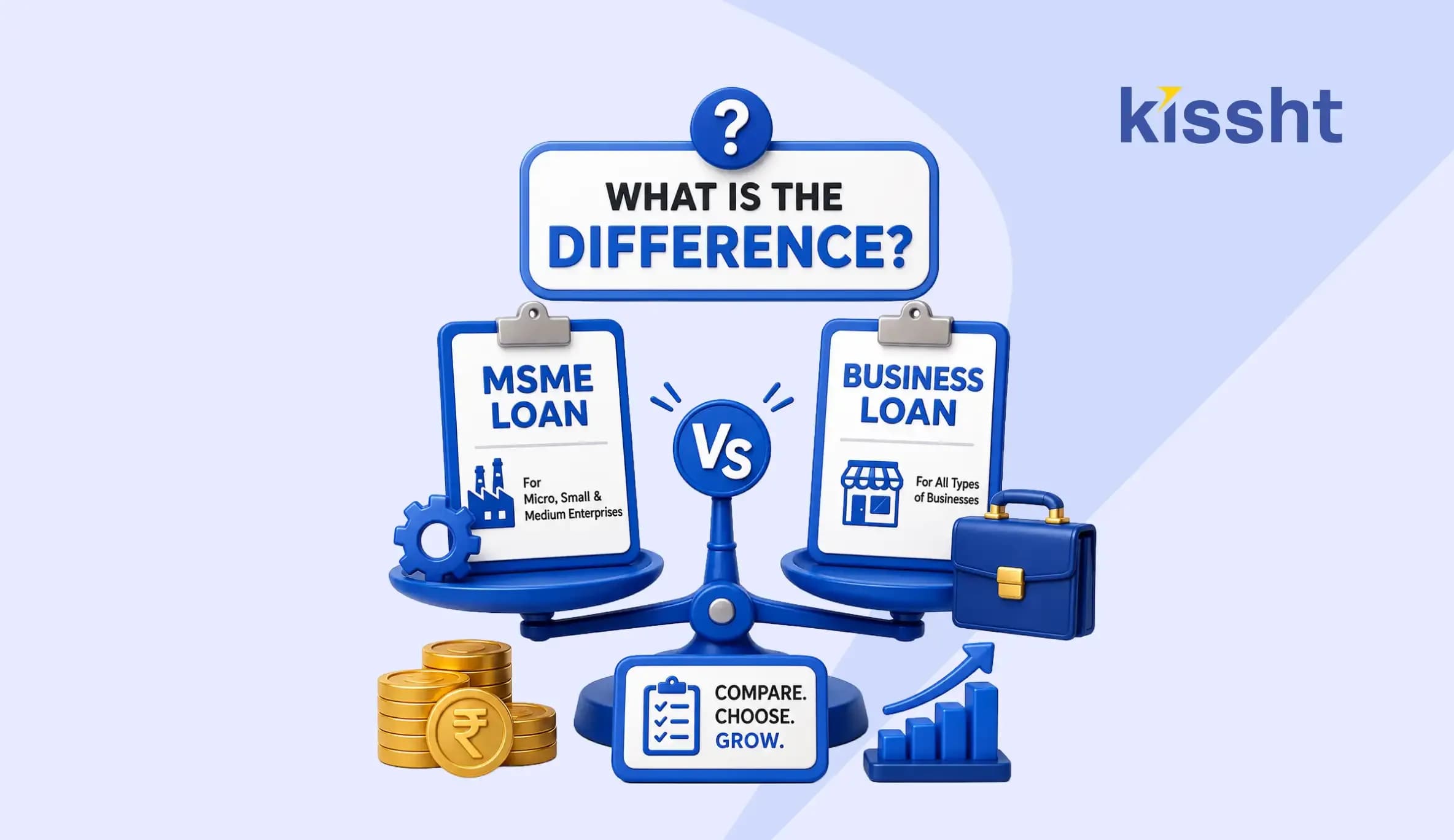
What Is the Difference? MSME Loan vs Business Loan
Jul 22, 2026
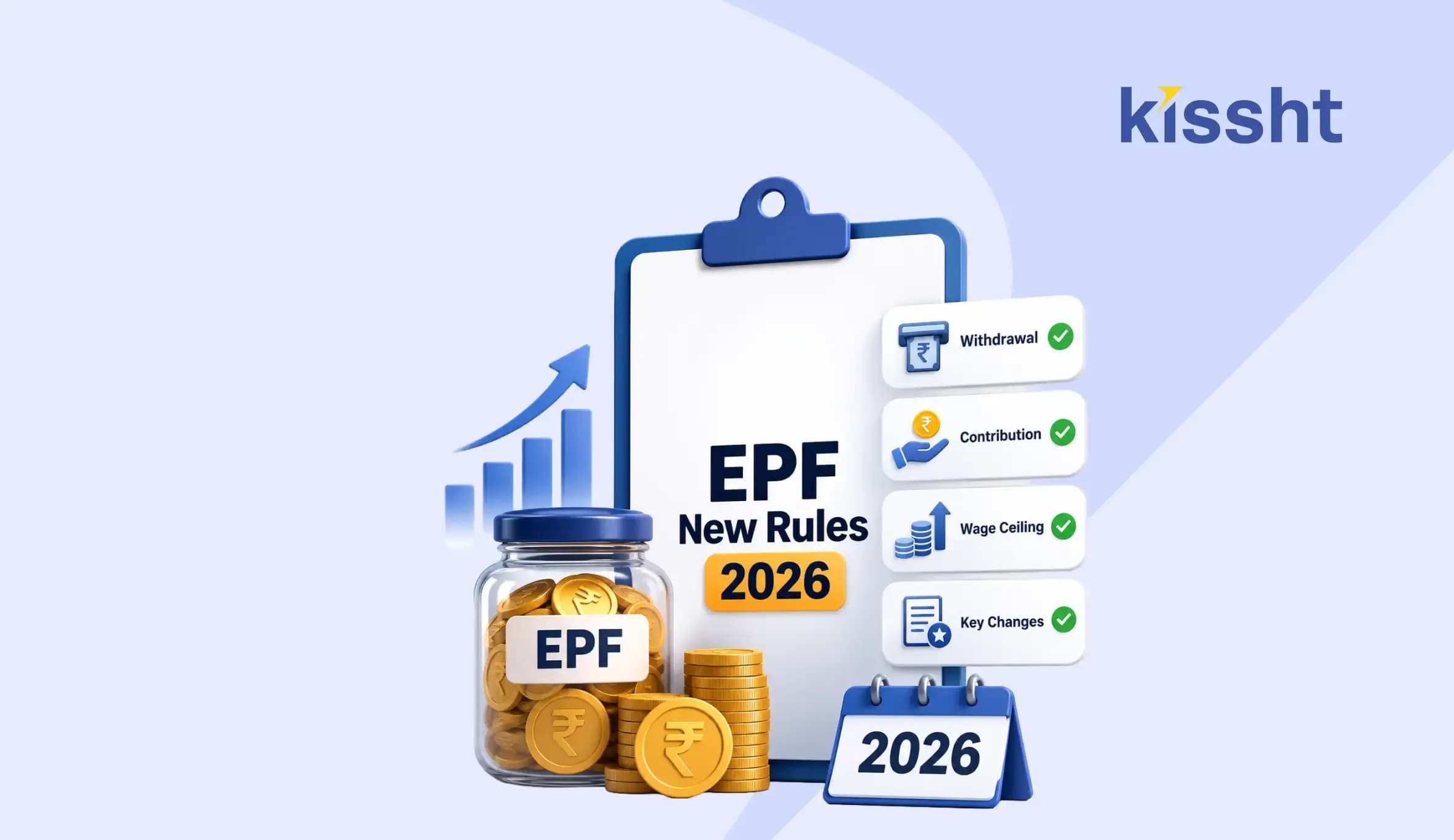
EPF New Rules 2026 Explained: Withdrawal, Contribution, Wage Ceiling & Key Changes

Jul 20, 2026
How to Check EPFO Pension Status Online Using PPO Number (2026)
Jul 21, 2026
Top Reasons for MSME Loan Rejection
Jul 20, 2026
Documents Required for GST Registration
Jul 16, 2026
How to Check FASTag Balance Online: Vehicle Number, App, SMS & Missed Call (2026)
Jul 10, 2026
List of Best Mileage Bikes in India (2026)

Jul 13, 2026

